
It's Elin. A Grok Bot startup should not start with "What can an agent do all day?" It should start with a buyer who already has repeat work scattered across inboxes, tools, websites, spreadsheets, and handoffs. The startup idea is not the Bot itself. The startup idea is the narrow workflow a customer will pay to have finished, reviewed, and delivered.
Build Ideas Around Verified Grok Bot Capabilities
Cloud-based background work, cross-app tool use, persistent conversations, and parallel Bots define the opportunity space
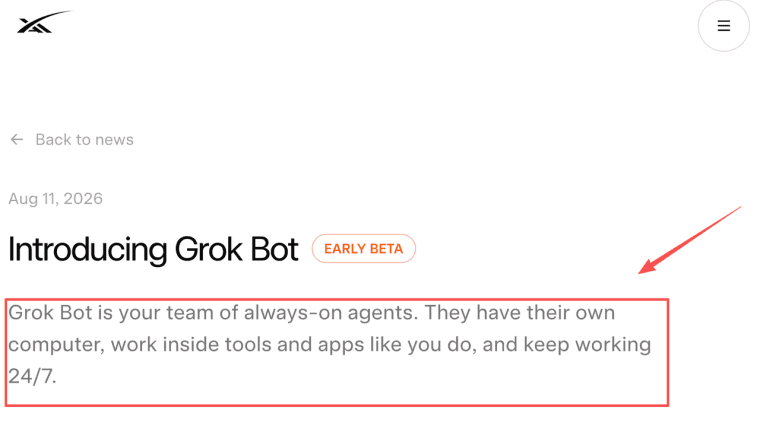
The idea space in this article is intentionally narrow. It uses only Grok Bot capabilities xAI described in its August 11, 2026 beta launch: cloud-based agent work, cross-app tool use, persistent conversations, workflow learning, and parallel Bots. Subscription eligibility, device access, pricing, policy, and production reliability should still be checked before turning any idea into a customer promise.
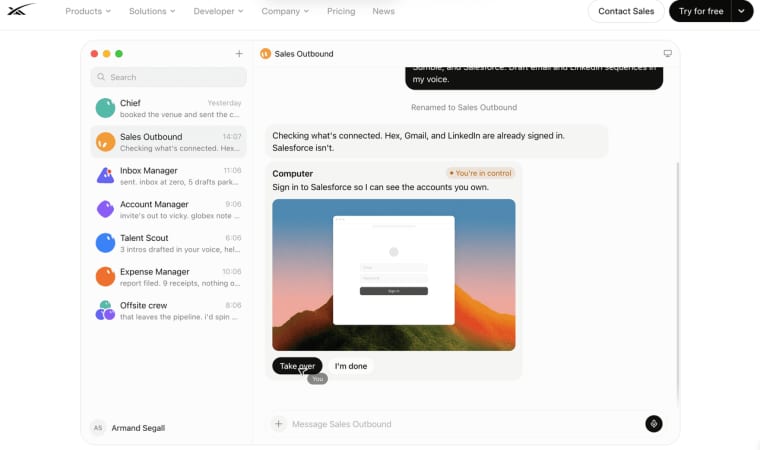
The official launch describes always-on Bots with their own cloud computer working across apps, tools, websites, inboxes, and existing accounts. That makes Grok Bot relevant to background operations, but not a blank check for public resale, white-label automation, customer-account isolation, or guaranteed service levels.
A good founder uses those boundaries creatively. Instead of selling "Grok Bot access," sell a workflow outcome: a prepared CRM update, a reviewed market brief, a cleaned client handoff, or a triaged support queue.
Back-Office Operations for Small Businesses
CRM upkeep, follow-up preparation, recurring reporting, and content operations are hypotheses to test
For small business owners, sales teams, and agency operators, the daily grind is often just moving notes between inboxes, CRM fields, spreadsheets, calendars, and half-finished follow-up drafts. A usable deliverable here is simple and checkable: cleaned records, ready-to-send replies, a weekly summary, or a content queue that actually moves.
The risk is concrete. One wrong CRM field can derail a sales conversation; a tone-deaf follow-up can quietly damage trust. Anyone testing this wedge needs a human who still signs off on anything customer-facing. The lightest paid experiment is a weekly managed package—five accounts cleaned, ten follow-ups drafted, one report delivered. If the buyer already feels this pain every single week, an always-on agent service can start here. If the work is only occasional, it will probably stay a service add-on rather than a standalone product.
Research and Monitoring Services
Evidence collection, market tracking, and recurring briefs need clear sources and review
Consultants, founders, analysts, and investors already spend hours checking sites, reading updates, gathering evidence, and turning scattered notes into briefs. What they will pay for is a sourced brief that includes timestamps, links, open questions, and reviewer notes—not another generic summary.
This category fits Grok Bot well because the work is repetitive and naturally crosses websites, tools, and documents. The main failure mode is false evidence or missing context, so important claims should still pass human review before delivery. The smallest real test is a recurring brief for one narrow market or competitor set. When customers pay for three cycles, request changes, and ask for the next one unprompted, the wedge is stronger than any one-off research demo.
Agency Delivery and Client Operations
Repeatable setup, asset preparation, quality checks, and handoff may support service-assisted offers
Creative agencies, marketing consultants, and implementation partners live in the same loop: onboarding clients, chasing assets, checking briefs, preparing drafts, and packaging handoffs. A clear deliverable is intake completeness, prepared asset folders, review notes, and delivery status that the client can actually trust.
This only becomes an agent-powered business if the agency can separate reusable process from client-specific data. Mixing contexts, missing files, or shipping unapproved work are expensive mistakes. The practical first step is service-assisted rather than fully automated: keep Grok Bot behind the scenes while clients see a controlled intake and delivery path. That keeps the agency in control while still testing whether the workflow can be productized.
Product and Support Operations
Triage, reproduction, documentation, and release preparation can reduce coordination work without owning decisions
SaaS founders, product teams, and support leads already burn time reading tickets, reproducing bugs, writing notes, drafting changelogs, and coordinating releases. Useful outputs are triage labels, clear reproduction steps, draft documentation, and release checklists—things whose completion can be measured.
This is one of the cleaner agent ideas because the work is easy to score. Mislabeling priority or suggesting the wrong fix still carries cost, so a human should approve product decisions, customer replies, and release notes. A focused pilot—process twenty support items and count how many triage outputs are accepted—quickly shows whether the time saved is real.
Score Each Startup Idea
Buyer pain, frequency, tool access, error cost, review burden, margin, and willingness to pay reveal the strongest wedge
Score each idea before building. Strong wedges have frequent pain, clear buyer authority, available tool access, measurable outputs, manageable error cost, and a review process that does not destroy margin.
Avoid ideas where the Bot needs unrestricted account access, makes irreversible decisions, handles sensitive data without a review plan, or depends on customers trusting invisible automation. "We prepare reviewed weekly account follow-ups" is stronger than "We use agents for sales."
Validate Without Exposing Bot Credentials
Concierge pilots and limited customer interfaces test demand before direct automation
Do not give early customers direct access to Bot credentials or connected accounts. Start with a concierge pilot. The customer submits a request through a form or shared workspace, your team runs the workflow with guardrails, and the customer receives a finished deliverable.
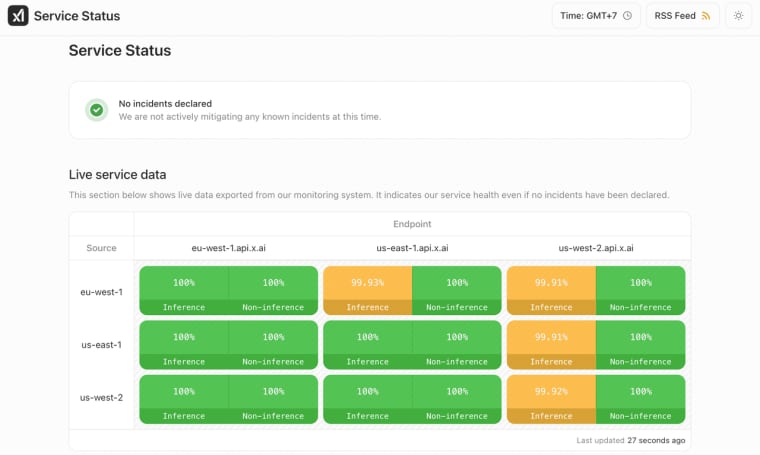
A limited customer interface can test demand before direct automation. It should show intake, status, review, delivery, and saved results. xAI's service status surface can support incident checks, but your own product still needs customer communication when a job is delayed.
When HappySeeds May Fit an Early Validation App
It may help package intake and results while Bot execution remains behind the scenes
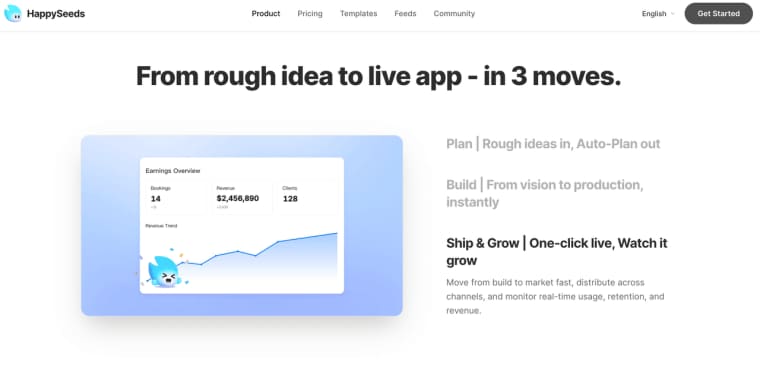
HappySeeds should not be described as hosting, calling, or reselling Grok Bot. A safer role is early validation of the customer layer. A founder can use HappySeeds to prototype a narrow intake flow, results page, review state, or paid pilot experience while Grok Bot execution remains behind the scenes.
For example, HappySeeds' app-building workflow may help package a research request form, approval screen, saved result, and customer delivery page before the founder commits to deeper automation or a permanent agent setup.
Risks and Trade-Offs
Beta access, sensitive data, account permissions, hallucinations, tool changes, and operational responsibility
The risks are practical. Beta access may change. Connected accounts may expose sensitive data. Tool interfaces may shift. Bots may misunderstand instructions, hallucinate, or complete only part of a job. Customer-facing promises should be checked against current xAI terms and policy materials before launch.
Template licensing, customer asset records, liability, and insurance are not universal questions. This article is general information, not legal or insurance advice. Actual decisions should follow official permissions, written contracts, insurer guidance, and qualified professional review.
Pick the Wedge You Can Prove
The best Grok Bot startup idea is not the broadest one. It is the workflow with a clear buyer, repeated pain, visible deliverable, manageable error cost, and a human owner who can review the result. Start with a narrow paid pilot, keep Bot execution behind guardrails, and only expand when the work proves repeatable.
Explore More Topics:
FAQ
Can a Grok Bot startup license its workflow templates?
Possibly, but the startup should separate general process structure from client-specific examples, credentials, files, and confidential instructions. Template licensing should be written clearly before reuse.
Should early customers receive a fixed number of monthly jobs?
Yes, if the workflow is still being validated. A fixed job count limits support load, controls scope, and makes margin easier to understand before offering unlimited service.
Can founders insure losses caused by automated tool actions?
Maybe, but coverage depends on the policy, industry, exclusions, and how automation is operated. Founders should not assume ordinary business insurance covers agent-driven mistakes.
How should a startup document customer-owned instructions?
Keep customer-owned instructions in a separate record with owner, date, version, use limit, and deletion rule. Do not merge them into a general template without permission.
Can one company operate separate brands on the same Grok Bot subscription?
That depends on subscription terms, account controls, data separation, and client agreements. Even if technically possible, each brand should have separate records, permissions, and audit trails.


