
Hey, Elin here. The first mistake with Nano Banana 2 app ideas is treating image generation as the business. It is not. Image generation is the engine. The business is the workflow around it: who needs the image, how often they need it, what the image helps them sell or publish, and whether the app saves enough time to justify payment.
That is the lens founders need. Not "Can Nano Banana 2 make a cool picture?" but "Can this help a specific buyer finish a repeat visual job better than their current process?"
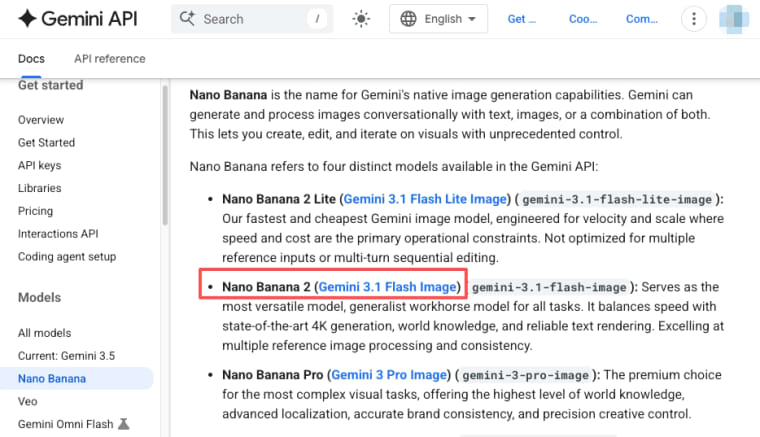
Google describes Nano Banana as Gemini's native image generation capability, with Nano Banana 2 listed as Gemini 3.1 Flash Image and Nano Banana Pro listed as a higher-end model option. Useful, yes. But the model is not the product. The paid product is the system that turns image generation into finished work.
Why Nano Banana 2 App Ideas Need a Paid Workflow Lens
Founders do not need another generic prompt box. A generic image tool may get attention because banana ai has search curiosity around it, but attention is not the same as retention. The better opportunity is a paid workflow. A paid workflow has a buyer, a recurring visual job, a clear input, a valuable output, and a reason to return.
If a user generates one image and leaves, that is probably curiosity. If a user uploads a product image every week, saves brand presets, exports campaign assets, and invites a teammate to review them, that starts to look like a business.
Avoid building a generic image prompt tool with no repeat use case
A generic prompt tool has weak positioning. It asks users to invent the use case themselves. That creates friction. A stronger app tells the user exactly what job it helps with. For example: create marketplace-ready product images from rough phone photos. Generate ad creative variants for a campaign. Turn a video title into thumbnail options. Polish profile photos for consultants. Create brand visual drafts for client review.
Those are not just image ideas. They are workflows with business context. A founder should ask: what happens before the image, and what happens after? If the answer is only "type prompt, download image," the product may be too thin.
Visual Jobs Users Might Pay For
The best-paid image apps usually sit close to revenue, distribution, or professional identity. Users pay when the image helps them sell, get clicks, look credible, win approval, or deliver client work faster.
Product images, ad variants, YouTube thumbnails, profile photos, brand drafts, and social packs
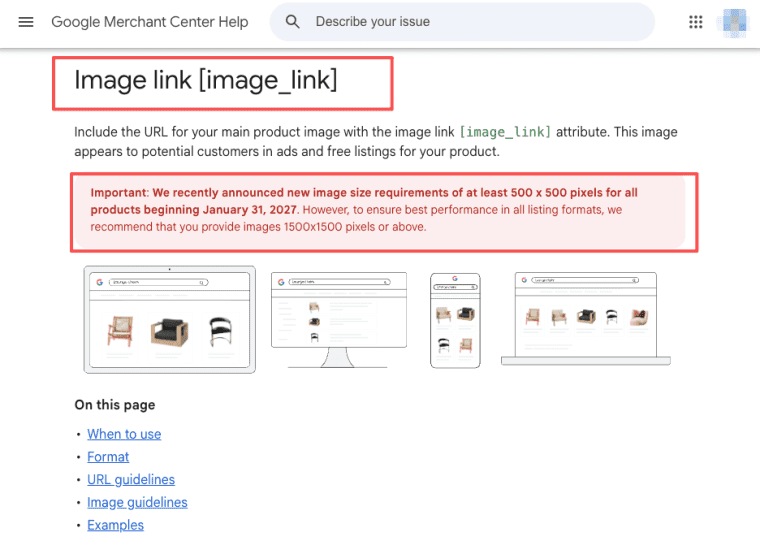
An AI product image app may be one of the clearest starting points. Ecommerce sellers constantly need clean images for new products, variants, bundles, and campaigns. This workflow also has external standards. Product images may also need to meet sales-channel or Google Merchant Center image requirements, not just look nice in a preview.
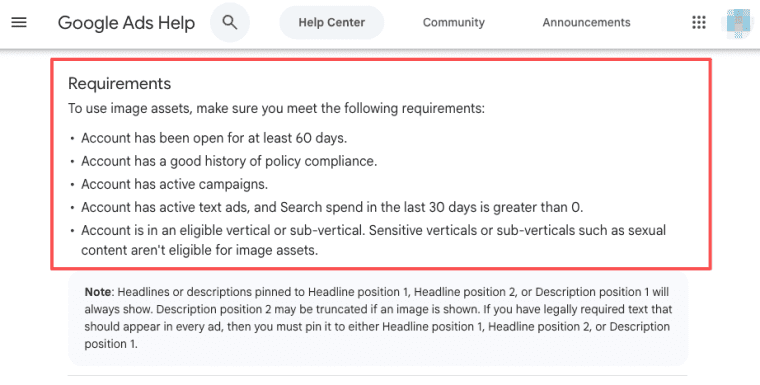
An ad creative app is another strong candidate. Marketers rarely need one image. They need variations: different hooks, aspect ratios, product angles, backgrounds, and calls to action. Ad creatives also have to fit platform asset rules, which makes export formats and review steps part of the product.
A thumbnail tool could serve YouTubers, course creators, or newsletter operators who publish repeatedly. The reason for payment is speed plus consistency. A creator does not want a beautiful one-off thumbnail. They want a repeatable visual system.
A photo editor app could work if it is narrow. "Edit any photo" is too broad. "Create polished profile photos for consultants from casual uploads" is clearer. "Clean up service business photos for Google Business profiles" is clearer. Specific beats broad.
Brand draft tools and social pack generators can also work for consultants, creators, and small teams. The paid value is not only the image. It is the ability to produce coherent visual options quickly.
How to Score Each App Idea
Do not score ideas by how impressive the output looks. Score them by payment pressure. A founder needs to know whether the user has urgency, repeat need, output value, review complexity, export requirements, and switching cost. If those are weak, even a beautiful demo may fail.
Buyer urgency, repeat usage, output value, review needs, export format, and switching cost
| Factor | Strong signal |
| Buyer urgency | The asset is tied to launch, sales, or approval. |
| Repeat usage | The job repeats per product, campaign, video, or client. |
| Output value | The image affects clicks, trust, delivery, or revenue. |
| Review needs | Someone must approve, compare, or request revisions. |
| Export format | The app saves time by delivering exact platform-ready files. |
| Switching cost | Saved brands, projects, and history make users stay. |
A YouTube thumbnail app may win on repeat usage. A product image app may win on revenue connection. An ad creative app may win on speed. A brand draft tool may win on the review workflow. The best first MVP is not the biggest market. It is the clearest paid pain.
Product Layers That Create Payment Reasons
Most users will not pay just because the model is new. They pay because the product reduces rework. That is why product layers matter. Saved projects, brand presets, team review, and version history are not boring admin features. These are reasons to keep paying.
Saved projects reduce rework, brand presets protect consistency, team review supports approval, and version history lowers delivery risk
Saved projects help users continue a product line, campaign, channel, or client brand without rebuilding context. This matters for sellers, agencies, creators, and consultants.
Brand presets protect consistency. A user should be able to save colors, reference images, background rules, banned styles, tone notes, and export settings. For an ad creative app or social pack generator, consistency may be more valuable than novelty.
Team review supports approval. A paid visual workflow often involves another person. The app should show what a draft, approved, exported, or rejected is, or needs changes.
Version history lowers risk. Generated images can be inconsistent. Users need to compare versions, restore a previous output, and see which file was exported for which campaign. If regeneration destroys the previous good result, the product feels unsafe.
This is where a small app can beat a general image generator. It does not need to do everything. It needs to make one workflow feel dependable.
Best First MVP Options
The best first MVP is narrow enough to explain in one sentence. Do not start with "AI image generator for everyone." Start with one audience, one visual asset, one input flow, and one delivery format.
Start with one audience, one asset type, one upload flow, and one clear delivery format
Pick one audience: ecommerce sellers, YouTubers, small ad teams, coaches, agencies, consultants, local services, or course creators.
Pick one asset type: product image, ad variant, thumbnail, profile photo, brand draft, or social pack.
Pick one upload flow: one product photo, one face image, one brand reference, one campaign brief, or one source visual.
Pick one delivery format: marketplace-ready square image, 4:5 ad creative, YouTube thumbnail, profile image pack, or client-ready brand board.
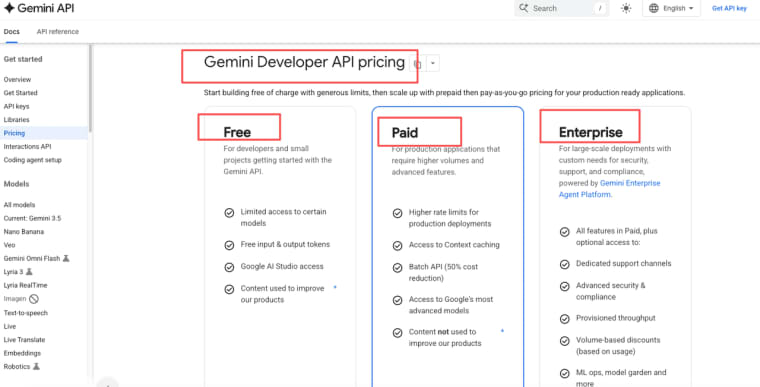
This keeps the MVP honest. It also makes pricing easier. A user can understand what they are buying. The founder can measure whether the output is accepted, edited, exported, reused, or refunded. For Nano Banana Pro or any alternate provider, avoid making the model name the main promise. The user is not buying the model. The user is buying a faster path to a usable asset.
What Can Go Wrong
Image apps look easy until real users bring bad uploads, vague requests, client materials, brand rules, and refund expectations. The biggest risks are not only technical. They are commercial and operational.
One-time prompt demand, rights disputes, low-quality inputs, generic positioning, and provider lock-in
One-time prompt demand is the quiet killer. If users generate once and never return, the app may be entertainment, not a business. Rights disputes can appear quickly. Users may upload copyrighted images, client assets, faces, logos, or references they do not have permission to use. AI output rights are still legally sensitive, so do not promise "copyright-safe" or unlimited commercial use unless current terms clearly support it.
Low-quality inputs create low-quality outputs. The app should guide users before they pay: upload clear images, avoid tiny files, show the full product, remove confusing backgrounds, and provide real brand references. Generic positioning makes acquisition expensive. "AI image generation app" is not enough. "Create marketplace-ready product images from phone photos" is a clearer promise.
Providing lock-in is another risk. Pricing, rate limits, model behavior, available regions, moderation, and output style can change. A founder should design logs, export history, user messaging, and fallback plans early.
Start with the Paid Workflow
Nano Banana 2 may make the image layer easier, but the app still wins or loses on the workflow around it. Start with one buyer, one repeated visual job, one export format, and one clear reason to pay. If users return for the next campaign, product, thumbnail, or client draft, then you have something worth building beyond the model.
Explore More Topics:
FAQ
How should refund disputes be handled?
Refund rules should separate technical failure, low-quality source uploads, unclear user instructions, billing confusion, and unmet expectations. If the generation fails or credits are charged incorrectly, restoring credits may be fair. If the input image is unusable, the product should explain that before another paid attempt.
Who reviews customer-uploaded source assets?
In an early MVP, the founder or support owner may review flagged assets. As usage grows, review should cover faces, logos, trademarks, client materials, sensitive content, and reported uploads. The app should define review ownership before the first dispute, not after it.
How consistent are outputs across platforms?
Consistency can vary because platforms use different model settings, safety filters, compression, aspect ratios, and export rules. If consistency matters, store prompts, source images, brand presets, approved outputs, and final files inside the app. Do not promise identical results across every channel.
What changes when switching image providers?
Switching providers can change style, text rendering, latency, cost, moderation behavior, export sizes, and user trust. If the app adds Nano Banana Pro or another provider later, test old workflows first. A provider switch should feel like a controlled upgrade, not a surprise redesign.
Can users reuse outputs across campaigns?
Users can reuse outputs only when source rights, app terms, client agreements, brand rules, and platform policies allow it. The app should store campaign context and export history so teams know where an image has been used. Reuse is valuable, but it needs boundaries.


