
Hi everyone, I'm Elin. The honest answer to "how do app creators make money" is less glamorous than most launch posts make it sound. They make money when a specific group of users gets a repeated outcome that is worth more than the price, and when the product can deliver that outcome without support costs eating the margin.
AI apps make this harder and more interesting. A normal SaaS product may charge for seats, storage, or workflow access. An AI product also has model calls, retries, long outputs, failed generations, human review, and unpredictable usage. That means AI app monetization is not just a pricing question. It is a product design question.
The Main Ways AI App Creators Make Money
Subscriptions, usage credits, setup fees, service hybrids, licensing, and referrals
Most AI apps earn money through one or more of six models. Subscriptions work when customers need the workflow repeatedly, such as weekly reporting, content planning, lead research, customer support, or team review. No-code automation can connect through the Codex Gumloop path. Subscription app revenue is easiest to understand when users know what they get every month: seats, projects, credits, templates, storage, or priority support.
Usage-based pricing works when cost and value rise with volume. A transcription app might charge per hour processed. An image app might charge per generation or export. A research app might charge per completed report. This model protects margins better than unlimited plans, but only if users understand the unit.

Setup fees work for business workflows that need configuration, data cleanup, or custom templates. A founder building an AI app for agencies might charge a setup fee to import client templates and then charge monthly for usage. Service hybrids mix software with human review, which can be strong for regulated, strategic, or high-value outputs. Licensing works when another business wants to embed the workflow under its own brand. Referrals can work when the app recommends tools, vendors, or services, but only if sponsored relationships are disclosed.
The best model often combines two pieces. For example, a monthly base plan plus credits, or a paid setup plus a lower monthly subscription. The weak model is charging randomly because another AI SaaS pricing example looked successful.
Match the Revenue Model to Customer Value
Frequency, urgency, measurable outcome, collaboration, and switching cost
Revenue model choice should follow customer value. Frequency tells you whether subscription pricing makes sense. A daily or weekly workflow can support a recurring plan. A one-time task may need a project fee, export fee, or service package instead.
Urgency affects willingness to pay. A founder will pay more for an app that helps recover failed payments, prepare a client proposal due tomorrow, or review risky customer messages than for a novelty tool. Measurable outcome matters too. If the app saves five hours, improves conversion, reduces support tickets, or creates billable deliverables, pricing has a stronger anchor.
Collaboration can justify higher pricing. Team roles, approvals, shared history, client workspaces, and export records make the app part of a workflow, not just a generator. Switching cost also matter. If the app stores templates, brand rules, past results, customer data, and review history, users have a reason to stay.
A common mistake is pricing around model effort instead of user value. A report that costs $0.80 to generate may still be worth $49 if it replaces a consultant's first draft. A batch of images that costs $4 in model and storage costs may be hard to sell for $20 if users need heavy manual cleanup. App creator income depends on the gap between delivered value and total delivery cost, not only the API bill.
Calculate Simple Unit Economics
Model usage, infrastructure, support, payment fees, refunds, and margin
Before choosing prices, calculate the cost of one successful customer outcome. For an AI writing app, that might include model input, model output, retries, file parsing, storage, email delivery, support time, payment fees, and refunds. For an AI image app, add image storage, regeneration, export processing, moderation, and possible human review.
Use representative tasks, not perfect demos. Test short, medium, and messy inputs. Include cases where users retry three times, upload the wrong file, request a refund, or contact support. If the app offers usage-based pricing, define the unit clearly. A credit might mean one document summary, one transcript hour, one image export, or one accepted draft.
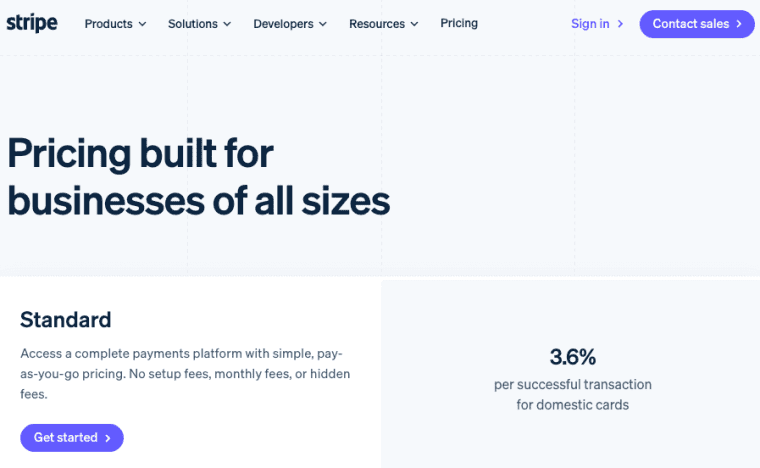
Payment fees belong in the model. Card payments, processing fees, dispute fees, currency conversion, and payout costs can affect margin, especially for low-price products. A $5 credit pack can look profitable until transaction fees, support time, failed jobs, and refunds are included.
A simple formula is useful: revenue per task minus model cost, infrastructure cost, payment cost, support cost, refund allowance, and overhead allocation. The result should leave enough margin to fund product improvement. If the margin only works when every user behaves perfectly, the price is too fragile.
Build Payment Into the Product Workflow
Entitlements, limits, upgrades, failed payments, invoices, and account states
Payment is not just a checkout button. The app needs to know what each customer is entitled to use. A free user may have limited projects. A paid user may have more credits. A team plan may include shared workspaces, extra seats, admin permissions, and invoices. Enterprise customers may need purchase orders, tax records, security reviews, and a named billing owner.
Limits should be visible before they frustrate users. If credits run out, the app should explain what happens next. If a generation fails, the product needs a retry or refund rule. If a subscription payment fails, the account state should change gracefully: notify the user, preserve data, limit new work if necessary, and avoid surprise deletion.
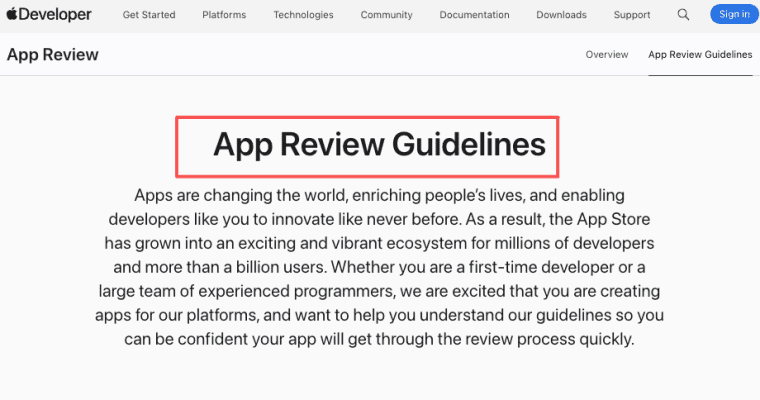
Mobile apps add another layer. If digital features are unlocked inside an iOS app, in-app purchase rules and subscription management expectations may affect how pricing is implemented. Web apps, marketplaces, and agency-delivered tools have different payment paths. Do not assume the same checkout flow works everywhere.
Invoices also matter earlier than many founders expect. Business customers may ask for the legal entity name, tax ID, billing address, currency, service period, plan name, and line-item clarity. Tax treatment, invoicing fields, refunds, and payment responsibilities vary by jurisdiction and contract structure. This article is not financial or legal advice, and founders should verify the details with qualified professionals before launch.
Once the pricing logic becomes part of the product, monetization stops being a spreadsheet exercise. The app has to enforce access, preserve customer status, and make upgrades feel connected to the user's work. For founders ready to turn that payment logic into a real product flow, HappySeeds' OPC AI App Builder can help shape the app layer around accounts, usage, billing, and feedback instead of treating checkout as the final step.
Test Willingness to Pay Before Scaling
Paid pilots, deposits, pricing interviews, conversion, and retention evidence
Founders should test willingness to pay before scaling paid acquisition or adding too many features. A paid pilot is often better than a survey because it asks for commitment. The pilot can be small: one workflow, one buyer, one deliverable, one price, and one review call.
Deposits are useful when the app requires setup. If a customer will not pay a small deposit for configuration, they may not value the workflow enough. Pricing interviews can also help, but they should focus on current costs, alternatives, urgency, budget owner, and consequences of inaction. Asking "Would you pay $29?" usually produces weak evidence.
Conversion data matters once traffic begins. Track how many visitors understand the offer, start the workflow, reach the paywall, pay, complete the task, and return. Retention is the strongest signal for subscription app revenue. If users pay once and never come back, the app may need usage-based pricing, a service package, or a narrower repeat job.
A small success story might look like this: a consultant turns a repeated audit workflow into an app, charges five existing clients for a pilot, and discovers that clients care less about AI speed than exportable reports and review history. That founder learns the real pricing asset is not the model. It is the saved, repeatable client workflow.
Avoid Common Monetization Traps
Unlimited usage, underpriced support, unclear value, and premature discounts
Unlimited usage is dangerous for AI apps because heavy users can create costs faster than revenue. If unlimited is offered, it needs fair-use boundaries, abuse controls, and monitoring. Otherwise, the most expensive customers may become the least profitable.
Underpriced support is another trap. AI apps often create edge cases: wrong outputs, missing files, disputes over quality, account confusion, and billing questions. If every customer needs manual help, the price must include that reality or the product must reduce support through better onboarding, examples, error states, and review tools.
Unclear value kills pricing. A user should know what they are buying before they pay. "AI credits" is not enough. "Ten client-ready summary drafts" is clearer. "Advanced AI plan" is vague. "Team plan with 3 workspaces, 300 monthly report credits, approval history, and invoice support" is easier to evaluate.
Premature discounts can damage learning. If nobody buys at the listed price, the problem may be weak positioning, wrong buyer, poor onboarding, or low urgency. A discount hides that signal. Use temporary pilot pricing only when the learning goal is clear.
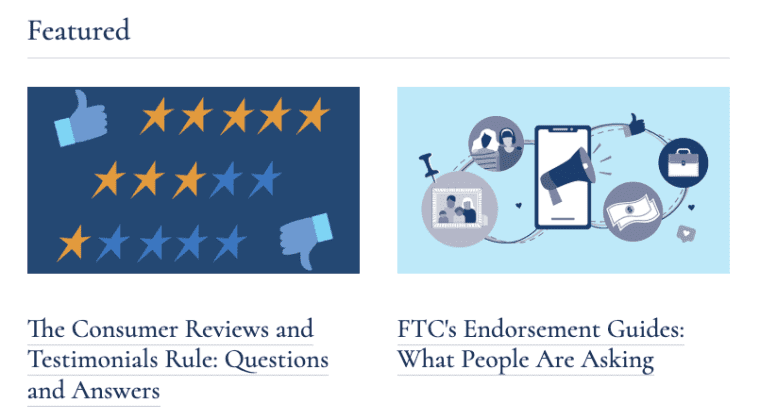
Sponsorship and referral monetization need special care. If an AI app recommends vendors, tools, lenders, insurance, software, or services, sponsored recommendations and material relationships generally require clear disclosure under applicable advertising rules. Hidden incentives can damage trust and create regulatory risk.
Price the Workflow Before You Scale
AI app creators make money when the price matches a repeated customer outcome, and the product can deliver that outcome with healthy margins. Start with one paid workflow, measure real usage and support cost, build payment into the user journey, and only scale once revenue, retention, and delivery cost tell the same story.
Explore More Topics:
FAQ
How do app creators make money from AI apps?
AI app creators usually make money through subscriptions, usage credits, setup fees, paid exports, service hybrids, licensing, referrals, or ads. The best model depends on the user workflow. If users return every week, subscription app revenue may work. If each AI task has a different cost, usage-based pricing or credits usually gives the founder more control.
What is the best monetization model for an AI app?
There is no single best model for every AI app. A research assistant, image generation app, transcript tool, and client workflow app may all need different pricing. The best AI app monetization model connects price to customer value while still covering model cost, storage, support, refunds, and payment fees.
Should an AI app charge by subscription or usage?
Use subscriptions when customers need ongoing access, saved history, team workflows, or repeated monthly value. Use usage-based pricing when each task has a measurable cost, such as one transcript hour, one generated image, one document review, or one report export. Many AI SaaS pricing models work best as a hybrid: a base subscription plus credits for high-cost tasks.
How much does it cost to run an AI app?
The cost includes more than the model API. Founders should calculate model input, model output, retries, hosting, storage, payment processing, support time, refunds, analytics, and human review if needed. A realistic cost estimate should use messy real inputs, not only perfect demo tasks.
How do I validate whether users will pay for my AI app?
Start with one paid workflow, not a broad free demo. Ask target users to pay for a specific outcome, such as a report, transcript, image pack, audit, or saved workspace. Strong validation means users submit real inputs, accept or edit outputs, complete the workflow, and return when the same job appears again.


