
"Make us a 15-second video for the new offer" sounds like a brief until someone asks which offer, for whom, using what proof, and where the click should go. Those missing answers are why a polished ad can still feel strangely empty.
For a small business without a video team, AI video ads help turn a clear sales idea into a reviewable asset. They are less useful when expected to invent that idea too. Hi, I'm Elin.
What Counts as an AI Video Ad?
An AI video ad is paid creative generated or materially changed with AI. It might begin with a product URL, catalog, script, image, existing clip, or digital presenter. AI may build the entire video or handle one stage, such as motion, voice, captions, resizing, or scene variations.
"Video ads AI" is an awkward umbrella for four different workflows: URL-to-ad, script-to-video, image or video remix, and presenter-led production. Knowing which one you are using matters because each creates a different review problem. A URL can be stale. A script can overclaim. A remix can distort the product. A presenter can imply an experience that never happened.
Choose the Ad Job Before Choosing a Tool
Product Demonstrations and Offers
A demonstration answers a buying question. What arrives? How does it work? What does the setup involve? An offer ad gives the viewer one supported reason to act now.
A refill ad can show how the pack fits and leads to the correct bundle. Add the founder story, size comparison, testimonial, and discount, and the job disappears under the content.
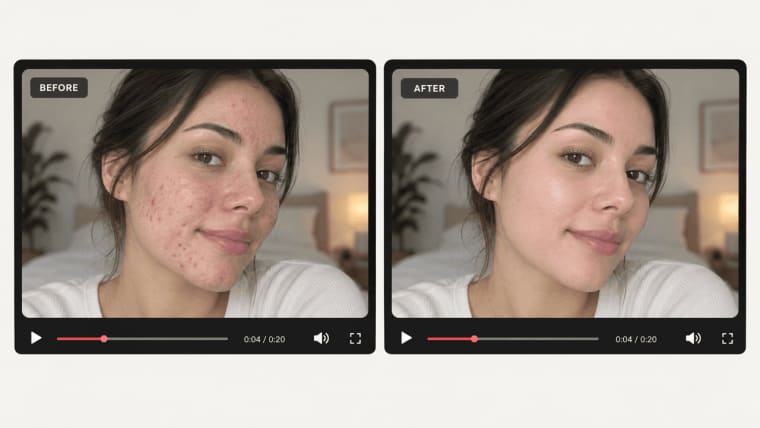
In the United States, advertising claims need a reasonable factual basis before an ad runs. Images count. A generated before-and-after sequence can make a stronger claim than the words on screen.
UGC-Style and Presenter-Led Ads
UGC-style is a visual language, not proof that a customer recorded the video. That distinction should remain visible in the script, the casting choice, and any disclosure.
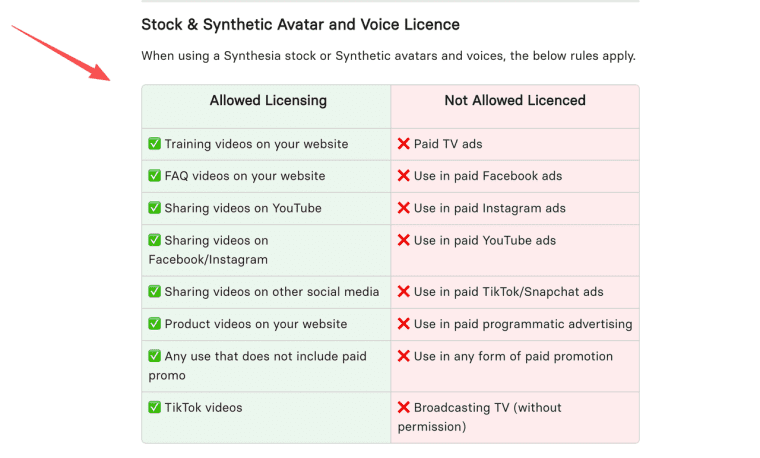
Presenter-led ads work well for a founder explanation, product walkthrough, or one common objection. They become risky when a synthetic person is made to sound like a satisfied buyer. Commercial permission also depends on the product and avatar type. For example, stock and custom avatars can carry different permissions for paid promotion. Check the applicable license instead of assuming a paid subscription covers paid ads.
Motion Creative from Existing Assets
Sometimes the strongest starting point is gloriously ordinary: a clear product photo, a real screen recording, or five seconds of approved footage. AI-powered video ads can add motion, crops, transitions, captions, and placement variants without asking the model to reinvent the product.
When visual accuracy sells the product, compare packaging, interfaces, dimensions, colors, and safety details directly with the source.
Choose the Right Starting Input
Product URL or Catalog
URL-to-ad is convenient for a current catalog and dangerous for an untidy one. A tool may faithfully reuse an expired price, outdated photograph, or regional offer from the page it receives.
In eligible campaigns, Google can create multiple video orientations from supplied campaign text and image assets. Before generation, save the source page and confirm its price, stock, claims, and destination. The ad may keep running after the page changes.
Script or Creative Brief
Script-to-video gives the business tighter control over language. A useful brief includes the audience, offer, proof, prohibited claims, channel, visual source, and next action. The line people forget is what the video must not say.
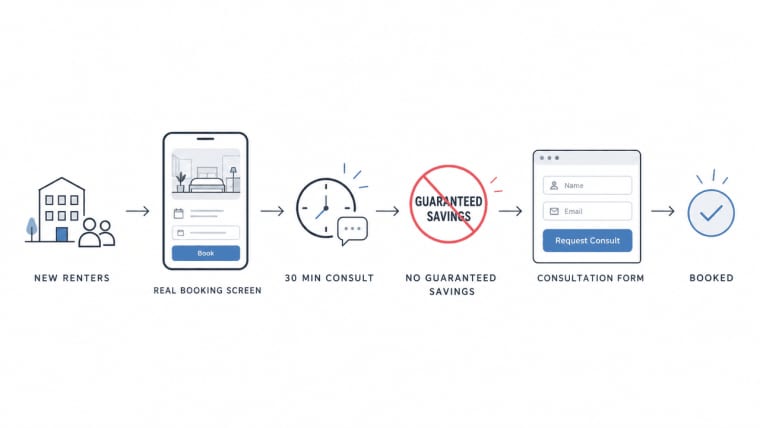
A workable example is: "New renters; show the real booking screen; explain the 30-minute consultation; do not promise guaranteed savings; lead to the consultation form." That gives a tool enough structure to create video ads with AI without inventing the commercial promise.
Product Images or Existing Footage
Image-to-video and video remix suit products that need to remain recognisable. Begin with approved assets, then keep the originals beside the output. If a label becomes unreadable, a screen changes state, or a product grows an extra feature, the reviewer needs a clean reference.
AI generated video ads can look coherent while being wrong in small ways. Those small ways are often the details a customer is buying.
Build a Reviewable Production Workflow
Generate Hooks and Opening Scenes
A useful hook test is boring behind the scenes. One version opens with the product. Another opens with the problem. The offer, proof, call to action, and destination stay the same.
Write down what changed. Otherwise, three attractive openings become three unrelated ads, and the team learns nothing from the comparison.
Review Claims, Product Accuracy, Voice, and Captions
Open the ad and landing page side by side. Does the price match? Is the pictured version available? Does the button continue the same offer? The most expensive mistakes are not cinematic. They are ordinary mismatches.
Then review voice and captions. A generated caption can remove a qualifier, mistranscribe a product name, or make a careful claim sound absolute. One named person should have authority to reject the final asset.
Export for the Target Channel
A vertical crop is not automatically a finished social ad. Text may enter an unsafe area, a product may disappear behind interface controls, or the opening may no longer make sense without sound.
Name approved exports by channel, placement, offer, and date. Otherwise, last month's asset may leave with this month's link.
Test Variants Without Changing Every Variable
A small test should answer a sentence: Does the product-first opening produce better-qualified action than the problem-first opening? If the audience, price, offer, landing page, and hook all change together, the result cannot answer that question.
Do not treat views as a verdict. A highly watched clip can still attract the wrong visitor. A quieter ad can be more useful if the people who click understand what happens next. No format guarantees CTR, ROAS, or conversion.
Check Rights, Disclosures, and Commercial Use
Before launch, check the current terms covering commercial use, paid promotion, uploaded assets, music, stock media, avatars, cloned voices, and customer material. Also check how the service may store or use uploaded files. A generic "commercial use" statement may not cover every presenter, plan, or advertising channel.
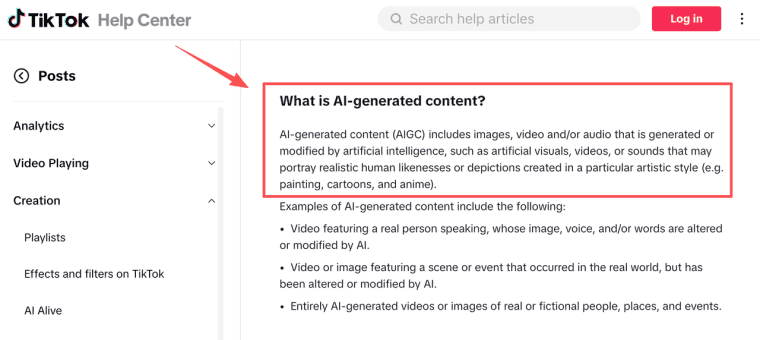
Platform disclosures differ. TikTok requires labels for realistic AI-generated images, audio, and video. Meta applies AI information labels to certain ads created or significantly edited with generative AI. These policies were reviewed on September 23, 2026. Verify the current rule for the campaign, region, and upload route.
This is general operational information, not legal advice. Personal likenesses, health claims, financial offers, children, and regulated products need additional review.
How HappySeeds Can Support the Video Ad Workflow
HappySeeds now includes a conversational AI video workflow for merchants and creators producing product promotions, social content, and campaign assets.
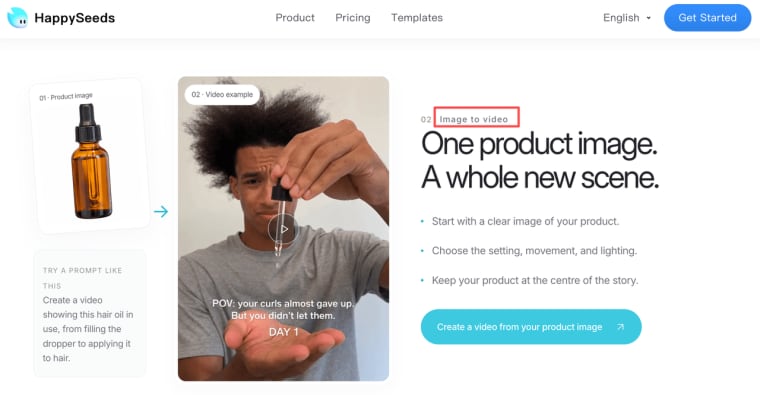
The useful part is that you can start with what you already have. Upload a product image and describe the setting, movement, lighting, and selling point you want to show. If a reference ad has the pacing or shot structure you like, upload it or paste its link, explain what should stay and what should change, then add your own product assets. The HappySeeds AI Video Generator currently presents workflows for product demonstrations, reviews, creative transitions, outfit showcases, how-to clips, and promotional content.
The first result should still be treated as a draft. Teams can refine scenes, scripts, voiceovers, captions, music, brand colors, aspect ratio, and basic timing, but every product detail needs checking. Packaging, prices, dates, feature claims, and the way the product appears on screen must match the real offer. More involved post-production may still require a dedicated editor.
HappySeeds can therefore support creative work before the click, not only the experience after it. It does not buy media, choose audiences, or guarantee CTR or ROAS. Its role is to help a small team turn available product assets and creative references into ad footage that can be reviewed, corrected, and prepared for the intended channel.
Build the Ad Around One Clear Business Job
The most useful generative AI video ads are not the ones that look the most expensive. They are the ones where the promise, proof, and next step still belong together after the novelty wears off.
Choose that job first. Then let AI help with the production around it.
Explore More Topics:
FAQ
Can an agency transfer an AI video ad project to the client?
Plan the handoff before production. The client may need approved exports, original assets, the brief, prompt or settings record, rights notes, campaign naming, and access to relevant accounts. A stock license, cloned voice, or agency workspace may not be transferable.
Can customer comments on an AI video ad be reused as testimonials?
A public comment is not automatically permission for paid reuse. Confirm consent, preserve the original context, and disclose any material relationship. Do not turn a quick reaction into a broader performance claim.
What should a business archive after an AI video ad stops running?
Keep the final ad, source assets, approval record, audience, offer, original landing-page capture, versions tested, disclosure decision, and reason the campaign ended. The landing-page capture matters because the live page may later change.
Who should own replies when viewers challenge an AI-generated scene?
Choose the owner before launch. Marketing can acknowledge the question, while product, support, legal, or the business owner verifies the substance. A fast answer is useful only when it is also accurate.
What happens when an ad links to a product page that later changes?
Review the ad whenever price, stock, eligibility, product details, or the promised action changes. Pause it if the original claim no longer matches. The creative can become misleading without changing a single frame.


