
I'm Elin. Digital products for solo experts start with a practical question that can feel oddly personal: what part of your expertise can help someone without you being in the room every time?
For solo experts, creators, consultants, coaches, and operators, the strategy is not to turn everything they know into a product. The strategy is to choose one valuable problem, shape it into the right digital product format, and build a path that can survive real customers.
The point is not to turn everything you know into a product. The point is to choose one valuable problem, shape it into a format people can use, and build a path that can survive real customers.
What a Digital Product Strategy Decides
For a solo expert, a digital product strategy decides who the product serves, what problem it solves, which format fits, how value is delivered, how money is made, and what should be built first. A digital product strategy decides who the product serves, what problem it solves, which format fits, how value is delivered, how money is made, and what should be built first.
In real life, it rarely begins neatly. A consultant has a spreadsheet clients keep asking for. A coach repeats the same assessment call every week. A marketer has a campaign planning method buried in Notion. A finance educator has a calculator that would be more useful if customers could use it without booking a call.
Strategy turns those fragments into decisions. Is this a one-time download, a guided workflow, a subscription, a paid tool, or a higher-ticket service layer? Will customers need support? Will they use it once or every month? Does the product need saved data, accounts, payments, or just a clean file?
Without those choices, digital product ideas stay as interesting notes in a folder.
Choose a Specific Customer and Problem
A solo expert does not need a giant market to begin. They need a sharp first customer. "Small business owners" is too wide. "Independent wedding planners who need to price packages before client calls" is easier to build for.
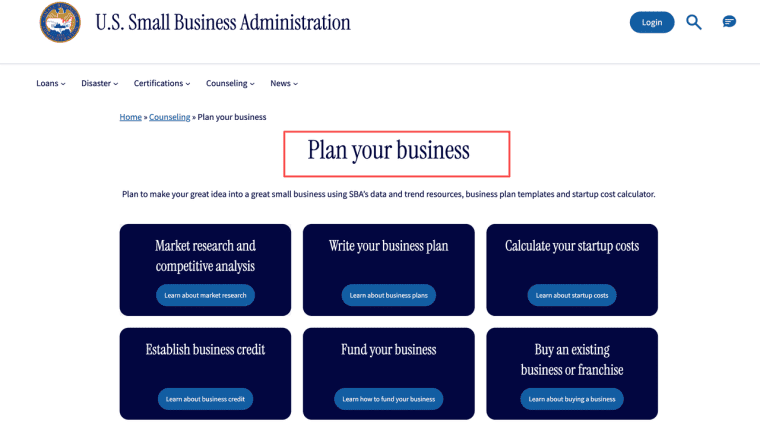
The customer should be specific enough that you can predict their situation, language, constraints, and buying reason. Useful market research looks at demand, alternatives, pricing, and buyer behavior. The SBA's business planning material is a good reminder to study customer demand, competitors, and pricing before committing resources.
Define the Job, Constraint, and Desired Outcome
Write the product idea as a job, not a topic.
Weak: "A productivity course."
Better: "A planning system for freelance designers who keep missing client review deadlines."
Weak: "A marketing app."
Better: "A campaign brief generator for solo founders who need a landing page outline, email angle, and ad hook from one product description."
The job is what the customer is trying to get done. The constraint is what makes it hard: time, confidence, complexity, approval, regulation, quality, or consistency. The desired outcome is what changes after the product works.
This matters because digital products examples can be misleading. A template may look simple, but the value is not the template. The value is fewer blank-page hours, fewer mistakes, faster decisions, or a result the customer can show someone else.
Select the Right Product Format
App, Template, Course, Membership, or Service Layer
The format should follow the job.
A template works when the customer can complete the work alone after receiving structure. Examples include pricing calculators, proposal templates, onboarding scripts, audit sheets, client intake forms, and content calendars.
A course works when the customer needs judgment, sequencing, and explanation. It is better for learning a method than completing one repeated task.
A membership works when the problem repeats and the customer values updates, community, office hours, new assets, or ongoing access.
An app works when the customer needs interaction, saved progress, repeated inputs, user state, dashboards, account history, or paid access. This is where the digital product development process starts to look more like software than content.
A service layer works when the buyer wants speed or expert review. For example, a template library might stay self-serve, while a premium tier includes review, implementation, or strategic feedback.
Match the Format to Repeatability and Support Needs
The more repeatable the job, the more product-like it can become. The more judgment-heavy the job, the more support or review it may need.
If customers ask the same question every week, a worksheet or app may help. If every case requires a different diagnosis, a course or service package may be safer. If the product produces outputs customers depend on for money, compliance, health, hiring, or legal decisions, keep the promise narrow and the review path clear.
One small-team example: a consultant may think the product is a full course, then discover clients mainly want the post-call decision map. Turning that map into a paid template can be a better first product than building a membership too early.
Shape the Value and Revenue Model
Promise, Pricing Logic, and Delivery Cost
Pricing starts with the promise. What does the customer believe they are buying: speed, clarity, confidence, better output, fewer errors, or a reusable system?
Then connect that promise to cost. A low-priced template can work if support is light. A diagnostic app needs enough perceived value and low enough delivery cost. A productized service can support more manual review, but only if the expert's time is priced honestly.
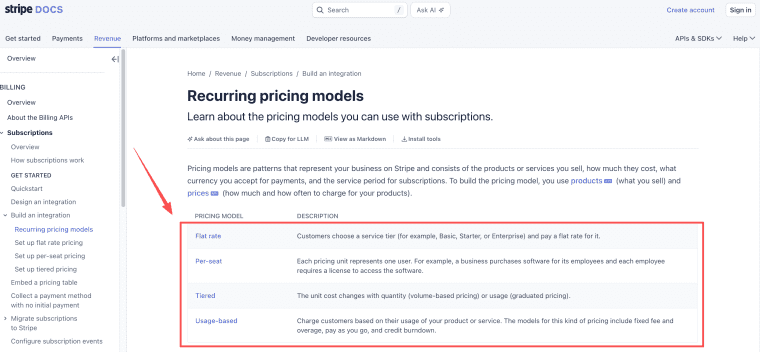
Stripe's pricing materials separate flat-rate, per-seat, usage-based, and tiered models. A solo expert can borrow that thinking without copying a SaaS company. A template may be flat-rate. A membership may be subscription-based. An app may use credits or tiers. A service layer may use setup fees.
Do not price only by effort. Price by the customer's repeated outcome, then check whether delivery, support, refunds, tools, payment fees, and content updates leave enough margin.
Validate Before Building Too Much
Demand Signals, Presales, and Manual Tests
Validation is not asking friends whether the idea is good. It is finding proof that the right buyer feels the problem and will take action.
Good signals include repeated client requests, paid consulting patterns, waitlist signups from the target audience, presales, deposits, manual delivery pilots, and customers using a rough version without being pushed. If your idea is moving toward software, it can help to compare the build path with how much does it cost to make an app before turning validation into a larger project.
A practical test can be small. Sell the template before polishing the design. Run the app workflow manually for five customers. Offer a paid diagnostic using a spreadsheet before building a dashboard. Watch where people get stuck, what they edit, what they ask for, and whether they come back.
The trap is building the "real" product before the buyer has confirmed the job. A polished product around the wrong promise is still wrong. It just took longer.
Turn the Strategy Into a Product Roadmap
First Release, Learning Milestones, and Later Bets
A roadmap should not be a wish list. It should show the first release, the learning milestones, and the later bets.
The first release should deliver one outcome for one customer type. For a resume coach, that might be a job-description-to-resume-tailoring tool. For a creator educator, it might be a launch checklist with examples and scoring. For a consultant, it might be a client-readiness assessment with a paid review option.
Learning milestones answer what must be true before you build more. Did customers complete the product? Did they understand the result? Did they need support? Did they pay again? Did they refer to someone? Did they ask for a feature that matches the core strategy or just a personal edge case?
Later bets belong after evidence. Add community, advanced analytics, team accounts, integrations, mobile features, certificates, or enterprise packaging only when the first product proves it has a heartbeat.
Build Distribution and Feedback Into the Plan
A digital product without distribution is a private asset. Build the path to customers into the strategy early.
For solo experts, distribution often starts with existing trust: newsletter, LinkedIn, YouTube, client base, podcast, workshops, referrals, partner audiences, or SEO. Choose a channel that matches the buyer's research behavior. If buyers search before deciding, build educational pages. If buyers trust peers, collect use cases and referrals. If buyers need proof, publish examples, before-and-after breakdowns, or sample outputs.
Feedback should also be designed. Ask customers why they bought, what nearly stopped them, what they used first, what confused them, and what they expected to happen next. The best feedback is not a star rating. It is a clue about whether the product is becoming part of someone's normal work.
Where HappySeeds May Fit an App-Based Product
HappySeeds may fit when the strategy points toward an interactive app rather than a static file or course. That usually means the product needs user input, saved records, dashboards, login, payments, or a repeatable workflow customers can return to.
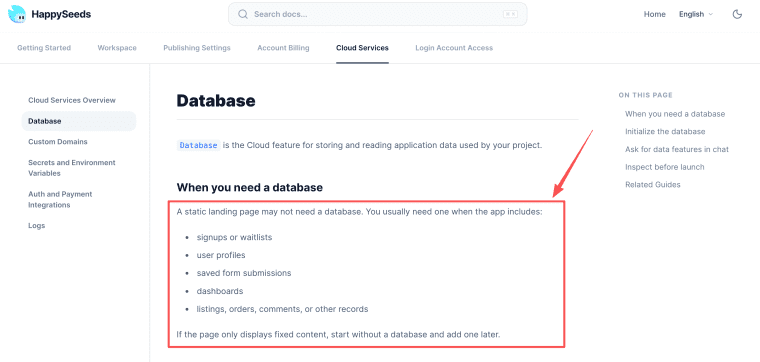
For example, a consultant might turn a readiness audit into an app where clients answer structured questions, save progress, receive a score, and unlock a paid review. A creator might turn a template library into a guided tool with accounts and customer states. In those cases, HappySeeds may support app ideas that need saved submissions, user profiles, dashboards, listings, orders, comments, or other database-backed records and product flows involving sign-in, checkout, subscriptions, webhooks, and customer billing states.
The boundary is important. HappySeeds is not the strategy by itself. It is a possible build path when the chosen format is an app-based product, and any paid or sensitive workflow should still be checked against the platform's current terms, privacy handling, and the founder's own customer obligations before launch.
Limits and Trade-Offs
Digital products can scale expertise, but they can also flatten it. If the product removes too much context, customers may get a weaker version of what made the expert valuable.
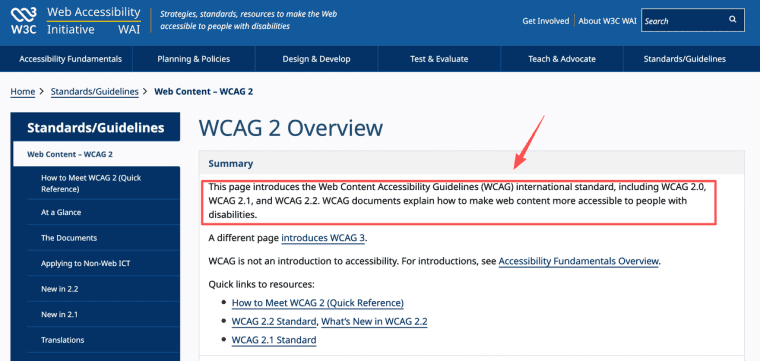
There are practical limits too: support burden, refunds, stale content, accessibility, licensing, privacy, taxes, payment disputes, and unclear ownership with collaborators. For web-based products, WCAG is a useful reference point for making digital experiences more accessible to people with disabilities. For products that collect customer information, privacy and security habits should start with limiting what you collect and protecting what you keep.
This article is strategic guidance, not legal, tax, compliance, or accessibility advice. Digital tax, licensing, privacy, and accessibility requirements depend on the product, customer location, platform terms, and applicable rules.
Build the Smallest Promise You Can Stand Behind
A strong digital product strategy does not start with "What can I sell?" It starts with "What result can I reliably help a specific customer achieve?" Choose the customer, shape the promise, pick the format, validate demand, and build only the roadmap that the evidence has earned. That is how solo expertise becomes a product without losing the judgment that made it valuable.
Explore More Topics:
FAQ
How do I know if my idea is specific enough?
If you can name one clear customer, one recurring job, one main constraint, and one desired outcome, it is specific enough. Broad audiences like "small business owners" make strategy and format decisions harder.
Should I start with a template, course, or app?
Choose the lightest format that delivers the core outcome. Templates work for structured, repeatable tasks. Courses fit when judgment and sequencing are needed. Apps are better when users need saved progress, dashboards, or repeated inputs.
How much validation is enough before building?
Look for real action: repeated client requests, people paying for a rough version, or customers using a manual version without being pushed. Opinions from friends are not enough.
What should the first release include?
One clear outcome for one customer type. Nothing extra. Later features only after the core product proves people complete it, understand the result, and come back.
How should I price it?
Price based on the customer's repeated outcome, then check if support, tools, and updates still leave healthy margin. Do not price only by your effort.
When should I add a service layer or upgrade to an app?
Add a service layer when buyers consistently want expert review or faster results. Move to an app only when saved data, accounts, or repeated workflows become necessary—and only after the first version shows demand.


