
A launch page can mislead people with one button. If you are still recruiting pilot users, "Start free" promises too much. A Gemini 4 Argon website draft needs a tighter instruction than "make this look polished": show visitors what they can do today.
Google lists Gemini 4 Argon in AI Studio. On October 15, 2026, I could open its public homepage, but Build required Google sign-in. This is a reproducible brief and review method, not a claimed test of generated output.
What Can Gemini 4 Argon Draft for an App Launch Page?
Yes. It can draft the copy and code for one launch page. It cannot verify your promise or whether a visitor's request reaches you.
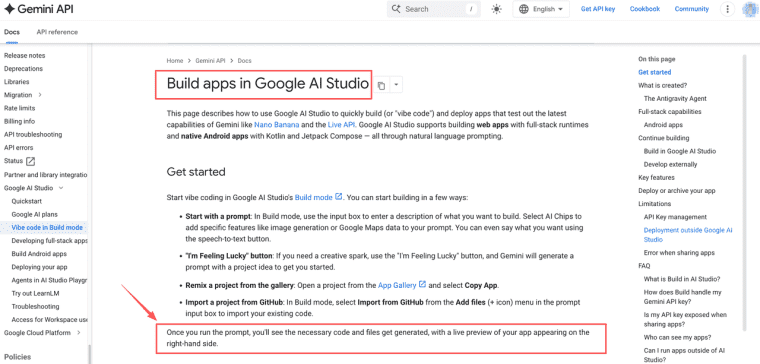
Argon is the model. AI Studio Build mode generates files and shows a live preview. It can produce a full-stack app, but this job needs one page. Inspect any extra services it introduces.
Define One Page to Validate the App Offer
Imagine Proofloop, a proposed app for design studios whose client approvals disappear into email. Nothing is open yet. The page should invite pilot requests, not offer a dashboard.
Before opening Gemini 4 Argon AI Studio, note the audience, problem, current product state, and visitor action. For Proofloop: "Small studios lose approvals in email. We are recruiting pilot teams. Visitors can request an invitation; no app account exists yet." A small business website draft can start there. The color palette can wait.
Use a prompt you can audit:
Create one responsive launch page for Proofloop, aimed at small design studios. Explain scattered client approvals. The only available action is "Request pilot access"; do not imply the app is open. Include a headline, proposed workflow, pilot-request form, and privacy note. Use placeholders for contact and legal details. Do not invent quotes, prices, integrations, or launch dates. Show confirmation and form-error states. Keep the page readable without a hero image.
An imaginary dashboard image could make that pilot invitation look like a product launch.
Generate and Review the First Draft
In Build mode, choose a web app and submit the brief. Keep the rough first version so you can see what each revision changed. Ask Argon to flag any sentence implying customers can already use the app. Inspect the preview and files yourself. If the form only changes the screen, with no submission destination, you have an AI website prototype, not pilot intake.
Business Claims and Contact Details
"Approve in seconds" sounds harmless until someone tries it. Mark it as a proposed benefit, or cut it. Ask where every testimonial, logo, security claim, and price came from. Check the form recipient rather than trusting its confirmation animation. An unanswered pilot request is the failure that matters here.
Mobile Layout and Accessibility
At phone width, enter a long studio name and invalid email. Does the error hide its field or push the button off-screen? Try the form without a mouse. Check labels, focus, contrast, and error text against WCAG 2.2; a clean scanner report is not an accessibility pass.
What Still Needs a Publishing Workflow?
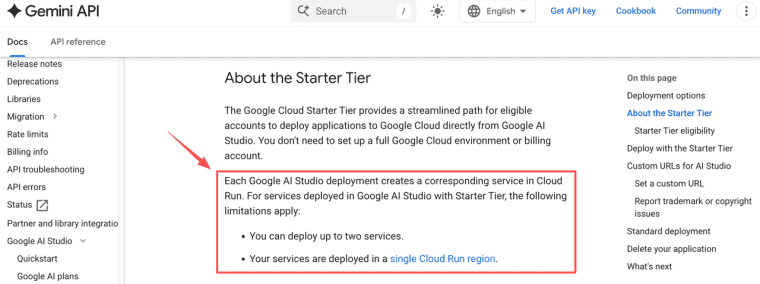
The page needs a public URL, a working form, and an owner. AI Studio offers Cloud Run publishing and a limited Starter Tier to eligible accounts. That is a real deployment path. Argon is not on the Gemini API Free tier, though, and deployment eligibility is a separate check.
The launch site checklist is short: replace placeholders; send a fictional request from a phone and confirm receipt; open the public URL in a fresh browser; check the page title; name the person who will maintain the offer. Review Google's AI Studio terms before entering private material or using generated assets.
If pilot conversations reveal that clients need to see pending drafts, the next brief needs user access and saved approvals, not another headline. HappySeeds may fit that job: a nontechnical founder can build and publish a Web app through conversation, then configure login and stored records. Test the access rules; do not assume an Argon connection or automatic import. The idea-to-live-app guide covers that larger build.
Let the Page Make One Honest Promise
For Proofloop, the test is mundane: does a studio owner understand the pilot and send a request someone receives? If not, more visual polish will not fix the promise.
Explore More Topics:
FAQ
Which AI Studio access path is available to a small business today?
AI Studio is the browser entry point. Argon is not on the Gemini API Free tier, and Google AI Pro alone does not provide access in that workflow. Check region, model selection, and billing before planning a test.
Can a founder bring an existing site design into the AI Studio workflow?
Yes, Build mode can import an existing GitHub repository. For a visual reference alone, specify the layout and brand details to retain. A similar-looking preview does not prove the original code or responsive behavior carried over.
Who owns the code or assets generated in this workflow?
Google does not claim ownership of original generated content. That does not license uploaded logos, stock photos, fonts, or copied layouts. Record each asset's source and permitted use before publishing.
What data should a founder avoid entering in a website prompt?
Leave out customer lists, contracts, passwords, API keys, and confidential figures. Google's unpaid-service terms allow inputs and outputs to be used for improvement, with possible human review. Fictional details are enough for this page.
Can the draft be moved to a separate hosting service?
Yes, via ZIP download or GitHub sync. Another host still needs the runtime, dependencies, server-side secrets, and a form destination. Retest the public page after moving it.


