
I turned one of my own short ebooks into an agent skill a few weeks ago, mostly because I was avoiding a different task. The book to skill part — feeding the file in, getting structured output back — took an afternoon. Then I sat there feeling like I'd shipped a product. I hadn't. Not even close.
Hi, everyone. Elin here. That gap is the whole point of this post. Turning a document into reference material that your AI can read is one thing. Turning your expertise into something a customer pays for and actually uses is another. If you're an expert, educator, or consultant sitting on a book, a course, or a framework you've refined for years, here's what I'd check before assuming the first one becomes the second.
What Book-to-Skill Actually Produces
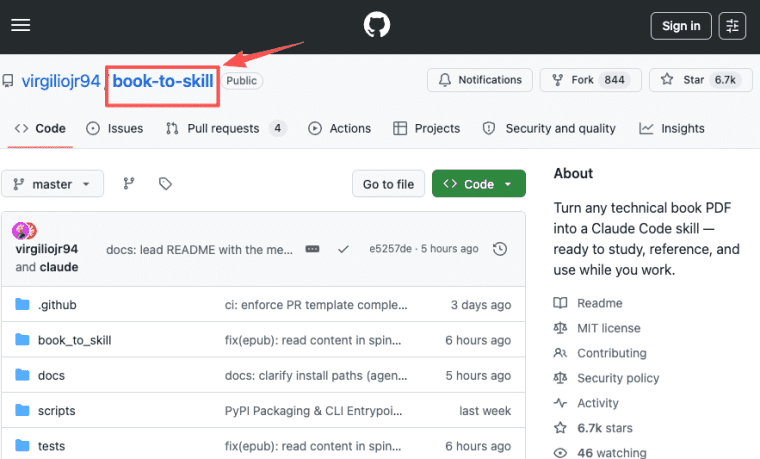
book-to-skill is an open-source project (virgiliojr94/book-to-skill on GitHub) — not an Anthropic product, which matters because people keep assuming it's official. I checked the repo: it's a Claude Code skill that uses Python extraction scripts under the hood, MIT-licensed, and runs inside Claude Code, GitHub Copilot CLI, or Amp to turn a book, a folder of docs, or a list of files into a structured agent skill. It's maintained by an individual on personal time — community project, not corporate product.
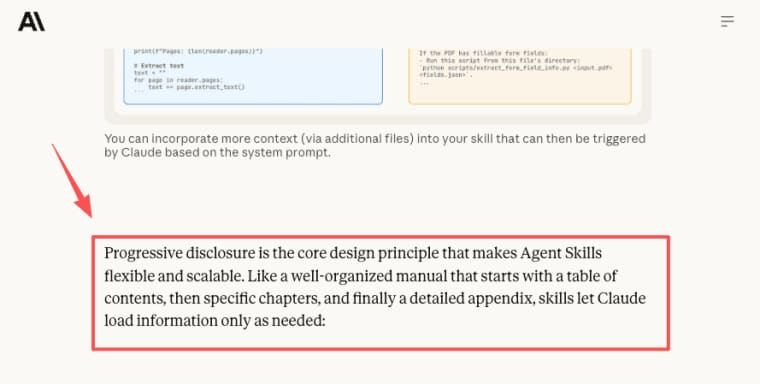
What it generates isn't a summary. It pulls out named frameworks, principles, techniques, a glossary, and per-chapter files that load on demand instead of dumping the whole book into context. If you want the mental model behind that, Anthropic's engineering write-up on Agent Skills explains the progressive-disclosure idea well. So the book to skill conversion gives you crystallized structure — not a book report.
An agent skill is not a customer-facing product
Here's where I almost fooled myself. A skill is something your agent loads while you work. No login. No payment. No interface a stranger ever sees. No guardrails for someone who isn't you. It's builder infrastructure.
So when someone says "upload a book and get a sellable product," that's the part that isn't true. The skill is the engine. A product is the engine plus a car plus a road. Don't confuse the file you generated with the thing a customer buys.
Start With Rights and Source Quality
Before any of this, the boring legal question. The project ships under MIT license — that covers the software. On the content side, the official README is specific: the tool never copies raw passages (Quality Rule #7), and treats the generated skill as structured derivative work — framework names, definitions, takeaways — comparable to handwritten study notes. For third-party copyrighted books, the README is explicit: keep generated skills private and don't redistribute. Your own writing, internal docs, and openly-licensed material are fine to share within their license terms.
So prioritize material you actually control: your own writing, work you commissioned, properly licensed content, or public-domain sources. Source-content rights and software licenses are two different things — don't let one stand in for the other. (I'm not a lawyer. If your source is someone else's published book, get that cleared before you build anything on it.)
Quality matters as much as rights. The tool extracts structure from whatever you feed it. Thin, contradictory, or outdated source material produces a thin, confident-sounding skill — which is worse than no skill, because it's wrong with conviction.
The Two-Stage Path From Book to Product
I find it easier to think about this as two stages that don't blur together.
Stage 1 — Structure the method and supporting knowledge
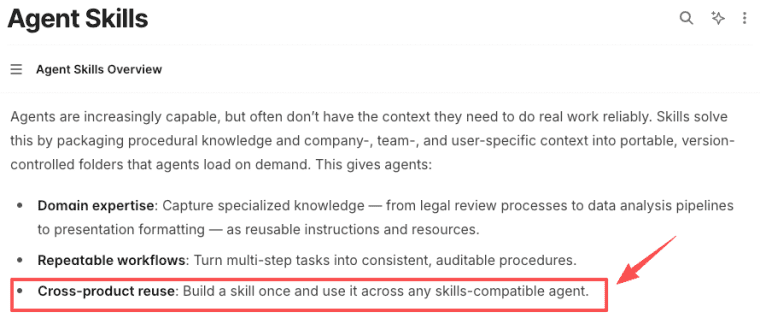
This is where book-to-skill earns its keep, and it's the start of how you productize expertise. You take the messy corpus — the book, the slide decks, the client notes you've reused for years — and turn it into a clean, queryable structure: named frameworks, decision rules, definitions. Because it runs on the open Agent Skills standard, the output sits alongside other Claude skills your build process already uses, and works across compatible agents. At the end of Stage 1 you have organized knowledge. You do not yet have a product.
Stage 2 — Design a product experience around an outcome
Stage 2 is the part nobody automates for you. You decide what result a customer gets. Not "here's my book in chatbot form" — that's still reference material. More like "answer eight questions, get a personalized plan you can act on this week." The structured knowledge becomes the backend of an AI knowledge app built around one clear outcome. Stage 1 is what you know. Stage 2 is what the customer walks away with.
Choose a Product Format That Fits the Expert
The same body of expertise can become very different products. Pick the one that matches how you already help people:
- A course companion that sits next to your existing course and answers questions in your framework's language, instead of generic advice.
- A consultant app that runs the diagnostic you normally charge for — intake, assessment, a structured recommendation.
- Client diagnostics or assessment tools for service providers who repeat the same evaluation across clients.
- A community or membership tool that gives your audience something to use, not just read.
- A professional knowledge assistant scoped tightly to your domain.
My honest take: the consultant app and the course companion are the two I'd start with, because they map directly to money you're probably already making manually. The further you drift from an existing revenue motion, the more you're guessing.
Add the Commercial Layer
This is everything between "it works on my laptop" and "a stranger paid for it." I've underestimated this part more than once.
Users, data, permissions, and progress
Real customers need accounts, saved state, and boundaries. Who can see what. Whose data is whose. What happens when someone closes the tab and comes back next week. None of this exists in a raw skill file, and all of it is table stakes the moment money changes hands.
Payments, SEO, domains, feedback, and updates
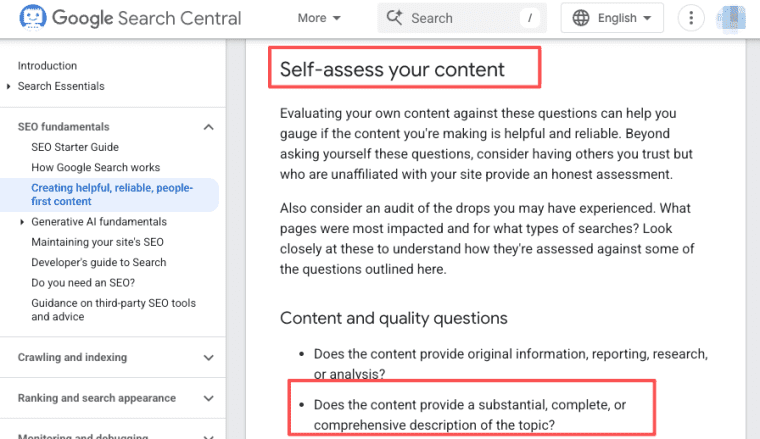
Then the growth plumbing: a way to charge, a domain that's yours, pages search engines can actually find, and a channel for users to tell you what's broken. Search ranking increasingly rewards content with genuine experience behind it — Google's own guidance on creating helpful content leans hard in that direction, which is good news if you're a real expert and less so if you're laundering someone else's book. Build the feedback loop in from day one. The first ten users will tell you more than another month of polishing.
Where This Leaves You
The mistake I almost made — and the one I see most often — is treating the book to skill step as the finish line. It isn't. It's the first clean draft of your knowledge. Structure the material, get the rights right, pick a format that matches how you already help people, then add the boring commercial layer that turns a file into something someone can actually buy. Start with the smallest version that produces one useful result. You'll learn more from shipping that than from another month of thinking about it.
Explore More Topics:
FAQ
How should experts keep an AI product updated when their frameworks evolve?
Treat updates as a workflow, not a rewrite. book-to-skill has a fold-in mode that merges new source files into an existing skill instead of regenerating from scratch, which keeps the structured layer current. On the product side, version your changes and tell users when something shifted — "method updated March 2026" beats silently editing. Stale advice presented confidently is the fastest way to lose trust you spent years building.
What process helps resolve contradictions between different source materials?
Pick a canonical source before you merge anything. When two documents disagree, you — the expert — decide which one wins, and you write that decision down. Don't let the tool average two conflicting positions into a mushy third one. Keep a short decision log so future-you remembers why chapter 3 of the old book got overruled.
Should customers be given direct access to the converted skill files?
No — keep them separate. The skill files are internal build material; the customer touches the product interface. Beyond the obvious (your IP, your structure), there's a security angle: Anthropic's documentation on Agent Skills warns that a skill can direct an agent to execute code, so skills are meant to be used only from trusted sources. Handing raw files to end users is both a leak and a liability.
How can an AI product clearly separate source expertise from AI-generated advice?
Label it. Show which answers come from your sourced framework versus the model's own generation, and point to the source section where you can. This matters most in sensitive areas — if your expertise touches medical, legal, financial, or psychological territory, the product has to say plainly that it doesn't replace a qualified professional, and it needs explicit "this is out of scope" boundaries. For policy and capability specifics, defer to the official documentation rather than my summary here.


