
Hi everyone, Elin here. I was poking around search trends the other day instead of finishing a side project (classic me), and I kept noticing the same shape of query: people typing gpt fifa into search bars. Not "World Cup schedule." Not "how to watch." Just the model name plus "fifa," like they expected ChatGPT itself to become the tournament app.
That gap is the whole opportunity. The search demand is real, the tournament is happening right now, and almost nobody has built the small, sharp tool those searchers actually want. So this post is me thinking out loud about what you could build — and, more usefully, the stuff I'd check before committing a week to it. I've shipped enough broken things this year to know the second build is always better than the first idea, so let me save you a couple of the mistakes.
30-second version: Searches like "gpt fifa" reveal intent, not a product. The model is just a reasoning layer — interchangeable. The actual value of a fifa 2026 app comes from reliable data, a specific job-to-be-done, and a reason for fans to come back. Build the workflow, not the chatbot.
What GPT FIFA and Model-Specific Searches Reveal
Here's what caught my attention. People aren't only searching "gpt fifa." They're searching every model: variations like "claude fifa," "gemini fifa," and "deepseek fifa" all show up. Same intent, different brand attached.
That tells you something. The searcher doesn't care which model is under the hood. They care about getting a clear answer about the fifa world cup 2026 — when their team plays, who's in the group, what the bracket looks like — without scrolling through ten tabs. The model name in the query is just the tool they happen to trust.
For a builder, that's freeing. You're not competing on "which AI." You're competing on who packages the answer best. The reasoning layer is a commodity you can swap; the product is everything around it.
FIFA 2026 AI App Ideas Worth Testing
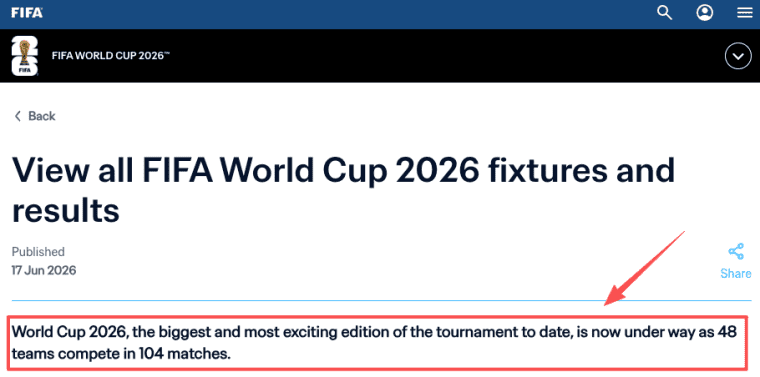
The tournament is already underway — 48 teams, 104 matches across the US, Mexico, and Canada, running from June 11 to July 19. The group stage wraps up June 27, and the Round of 32 knockout matches start June 28. That means the urgency has shifted — it's no longer "ship before the tournament starts," it's "ship before the knockout bracket locks in and half the fan base loses their team." I pulled the dates and format straight from FIFA's official match schedule page so I wasn't writing from memory.
Schedule assistant, team guide, fantasy helper, fan FAQ, and content tool
A few ideas I'd actually consider, roughly easiest to hardest:
- Schedule assistant — "Who does Morocco face in the Round of 32, and when does it kick off in my timezone?" Dead simple, genuinely annoying to look up manually. Great first build.
- Team guide — pick a team, get squad context, group situation, what they need to advance. Useful for the casual fan who just adopted a team.
- Fantasy / bracket helper — explains scenarios ("if Japan draws, who goes through?"). Logic-heavy, which is where an AI layer actually earns its keep.
- Fan FAQ bot — answers the boring-but-real questions: host cities, formats, where matches are. High volume, low glamour.
- Content tool — generates match previews or recaps for someone running a fan newsletter or social account.
My honest take: start with the schedule assistant. It's the one I'd ship rough this week and improve later. The fantasy helper is the most interesting, but also where you'll spend three days on edge cases you didn't see coming. I know because I always pick the hard one first and regret it.
A reference case: the "Animal Cup" demo
To make the idea space less abstract, here's one that's already alive. I found a football game made by someone in the HappySeeds community, and I clicked around in it longer than I planned to, so it's worth showing as a reference for what "shipped" looks like.
It's a top-down animated match simulator where the teams are… animals. Real flags and matchups — England, Argentina, Brazil, Spain — except England plays as a lion, Argentina's a hamster in sunglasses, and the ref is a very serious zebra. Live score, a minute clock, possession and shot stats, a "GOAL!" popup, a language toggle, and zoom controls.
It's the fun, maximalist end of the spectrum — closer to the "content tool" idea than the lean schedule assistant I'd actually start with — so don't read it as the build I'm recommending. Take it as the reference point: a real, playable thing you can open right now (the Animal Cup demo), not a mockup, built on the kind of platform that lets you start from a working template instead of a blank page. Poke at it, then go make the smaller, sharper version only you can see.
Why a Generic Chatbot Is Not Enough
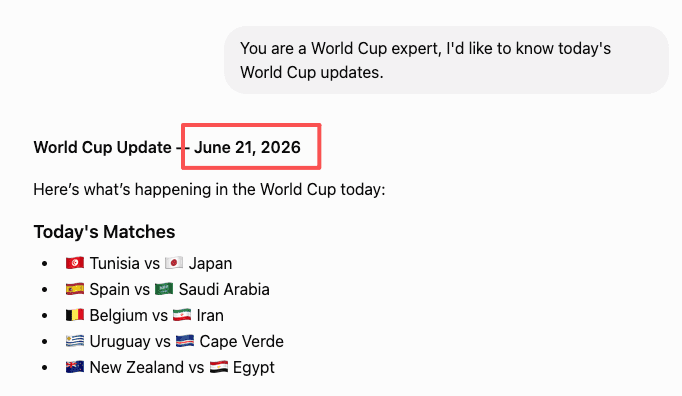
Okay, here's where most people screw up. They wire a model to a chat box, type "you are a World Cup expert," and call it a product. Then it confidently tells a user a match is on Tuesday when it's Wednesday, and that user never comes back.
The problem isn't the model. It's that a raw model doesn't know anything current — it pattern-matches from training data that may be stale. For a live event, stale is fatal.
Data sources, user profiles, reminders, language, and retention
What turns a toy into a tool is the layer the chatbot skips:
- Data sources. You need a real, authorized feed for fixtures and results — not whatever the model guesses. This is the part to get right before anything else, and I'll be honest, I haven't personally negotiated sports data rights, so I'd treat the licensing question as a real cost, not a footnote (more on that below).
- User profiles. "My team is Brazil, my timezone is JST" — store it once, stop asking.
- Reminders. A nudge before kickoff is the feature that creates a reason to keep the app installed.
- Language. This is a three-country, global-audience event. Multilingual support is a genuine edge, not a nice-to-have.
- Retention. The group stage ends, then what? An app that dies on July 20 is a campaign, not a product. Worth deciding upfront whether you're fine with that.
A generic chatbot gives you a demo. These five things give you something a fan opens twice. The difference between "relatable demo" and "actually useful" is usually just this unglamorous plumbing.
Which AI Model Layer Should Founders Choose?
Short answer: it matters less than you think, and you should design so it's swappable.
GPT, Claude, Gemini, and DeepSeek as replaceable reasoning layers
Treat the model as a config value, not a foundation. Abstract it behind your own interface so switching providers is a one-line change, not a rewrite. Capabilities and pricing shift constantly — I'm not quoting numbers here on purpose, because anything I write today could be wrong by the time you read it. Check each provider's own model and pricing docs before you commit.
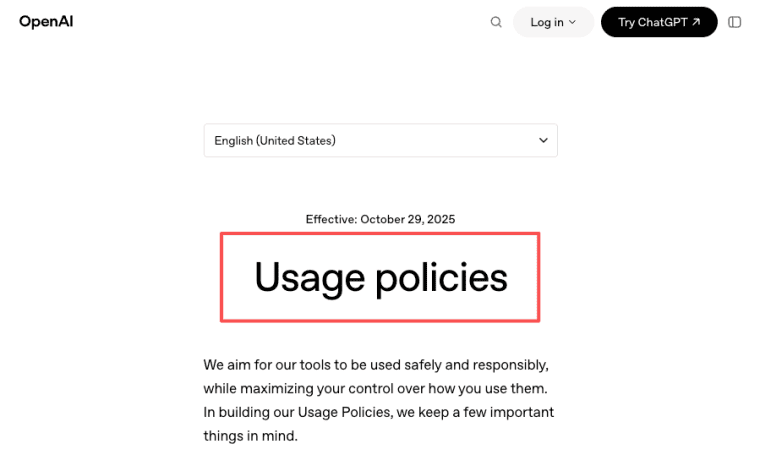
What I would check carefully is each provider's usage policy, because that's the thing that quietly kills app ideas. I went and read these rather than assuming:
- GPT (OpenAI) — review the OpenAI usage policies for what's allowed in a consumer-facing app.
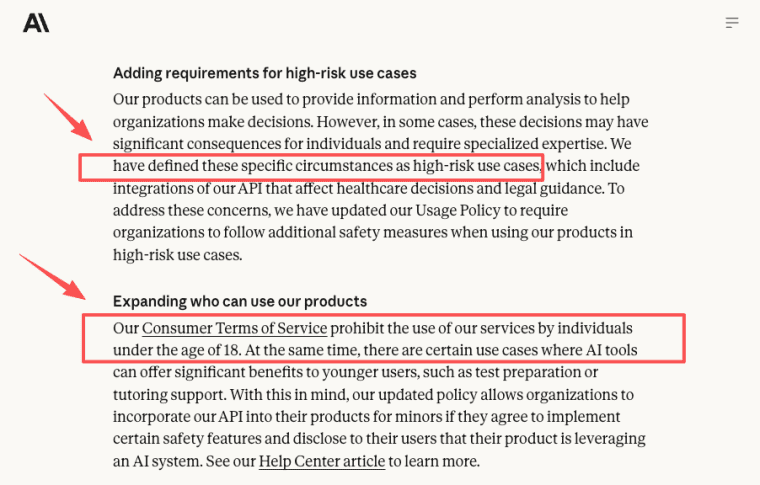
- Claude (Anthropic) — Anthropic spells out high-risk and disallowed uses in its usage policy, and it's one of the more specific ones out there.
- Gemini (Google) — the Generative AI Prohibited Use Policy covers misrepresentation and content rules you'll want to respect.
- DeepSeek — also viable as a reasoning layer, but verify its current terms directly on its official site; the policy and access situation around Chinese-hosted models has been moving fast in 2026, so don't rely on a blog post (including this one) for the current state.
The point of naming all four isn't to rank them. It's that "claude fifa," "gemini fifa," and "deepseek fifa" searchers all want the same thing, and you can serve them with whichever layer fits your budget and policy constraints — as long as you built for swappability.
So that's my read on the gpt fifa search trend: it's a signal, not a finished idea. The demand is sitting right there, the deadline is real, and the building is small enough to start today. If you want to start from something that already runs, the Animal Cup demo is a working reference — clone the idea, strip the animals, ship your version. Then start with the boring schedule tool, get your data source honest, and keep the model swappable — and double-check every policy and data-rights detail against the official sources before you ship, because the fast-moving stuff is exactly where I've gotten burned before.
Tournament dates and format were checked against FIFA's official site as of June 2026. AI provider policies change often — verify the current versions on each provider's official documentation before building.
Explore more topics:
FAQ
Why do both a chatbot and a data feed fail on their own?
A chatbot without a data feed invents fixture times from stale training data — one wrong answer and the user doesn't come back. A data feed without a conversational layer is just another schedule tab. The tool that actually works combines both: real data grounding the model's answers. Verify any feed's licensing terms before relying on it for a commercial product.
How should builders choose the first feature to ship during a live tournament?
Pick the one you can validate in 48 hours. Build the schedule lookup, share it in one fan group or subreddit, and watch what they actually ask next. During a live tournament, real user questions come fast — you'll learn more from three days of real usage than from a month of planning before launch.
What should founders verify before monetizing a World Cup AI app?
In order: data licensing rights first (tournament data is often restricted), then your AI provider's commercial use terms, then any app store or platform rules if you distribute there. Get all three confirmed against the current official documentation before you charge anyone — each has different rules and all of them are updated.
What separates a chatbot from a fan tool people actually return to?
Reminders before kickoff drive more return visits than any other feature — they create a reason to keep the app installed even on off-days. After that: stored preferences so you stop asking the same questions. Language support is the highest-leverage addition for global reach. The model is the least differentiating part of this stack.


