
Hi, Elin here. The strange part about launching an AI app is that the build can feel finished before the market has even noticed it exists. The prototype works. The button runs. The output looks good enough to show. Then the founder publishes it and waits, and the room gets very quiet.
That is where AI app SEO begins. Not as a magic traffic switch, but as a product discovery strategy for helping the right users understand what the app does, why it matters, and when they should try it.
Why Building an AI App Does Not Create Discovery
Building creates functionality. Discovery creates a path for the user.
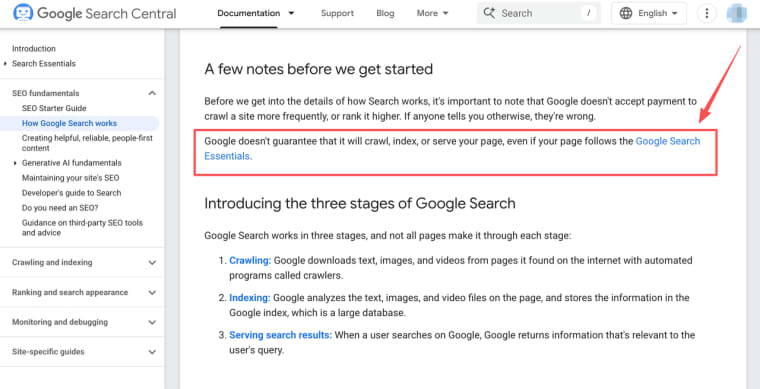
An AI app can have a clever workflow and still be invisible if search engines cannot access useful pages, if the homepage only describes the model, or if every page sounds like "AI tool for everything." Search engines also need time. Google Search works through crawling, indexing, and serving results, and not every published page is crawled, indexed, or shown for a query.
For founders, the lesson is simple: launch is not the end of product work. It is the start of discoverability work.
The Four Layers of AI App SEO
Search Access and Technical Readiness
First, make sure the public parts of the app can be reached. Important landing pages, pricing pages, help pages, examples, and use-case pages should not be trapped behind login. URLs should be understandable. Titles and descriptions should explain the job, not just the technology.
Google's SEO basics still apply to AI products: clear structure, descriptive URLs, useful content, and crawlable pages matter more than clever launch copy.
Pages That Match Real Search Tasks
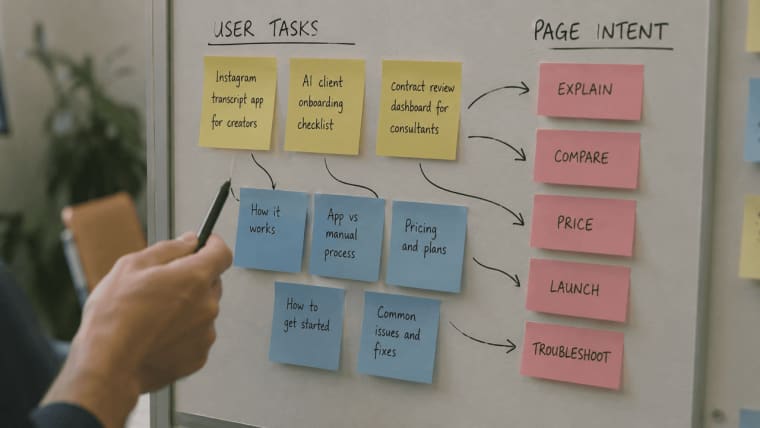
A founder SEO plan should start from user tasks. "AI app" is too broad. "Instagram transcript app for creators," "AI client onboarding checklist," or "contract review dashboard for consultants" gives the page a job.
Each core page should match one search intent: explain, compare, price, launch, or troubleshoot. If one page tries to serve every audience, it usually serves none of them well.
Trust Signals and Clear Product Evidence
AI products need proof because users expect vague promises. Show screenshots, workflow examples, input-output boundaries, pricing notes, privacy handling, support paths, and what the app does not do.
Trust is especially important for tools that touch files, business data, payments, legal text, hiring, health, or customer records. Good SEO for AI products is not louder copy. It is clearer evidence.
Distribution Beyond Organic Search
Organic search is slow, especially for a new domain. Discovery should also include founder posts, partner content, communities, newsletters, product directories, demos, customer conversations, and short comparison pages.
Search can capture demand. It rarely creates all of it alone. Early AI app launch SEO should sit beside manual distribution, not replace it.
Build a 30-Day Discovery Plan
A small plan beats a vague content calendar. Here is a workable first month:
| Week | Focus | Output |
| 1 | Technical access | Public homepage, robots check, sitemap, indexable use-case pages |
| 2 | Search-task pages | 3 to 5 pages around specific jobs, not generic AI claims |
| 3 | Evidence | Screenshots, examples, pricing notes, FAQ, support boundaries |
| 4 | Distribution and measurement | Founder posts, directory tests, Search Console setup, early query review |
Do not write twenty thin pages. Write fewer pages that answer real buying questions. A user should understand the workflow, the outcome, the cost logic, and the next step without booking a call just to decode the product.
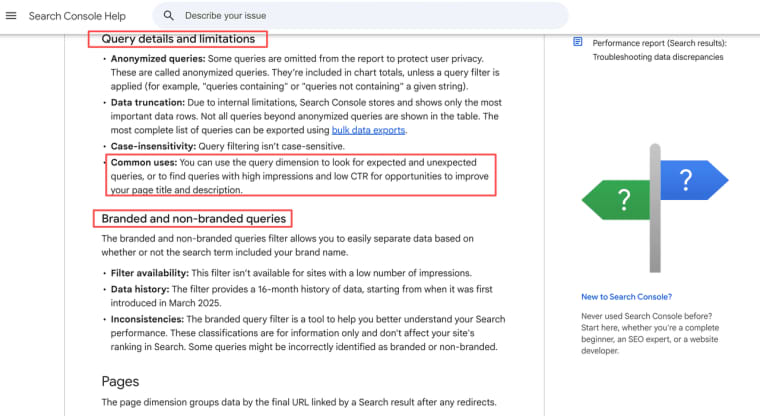
Search Console is useful once impressions begin because founders can review queries, pages, clicks, CTR, and branded versus non-branded search patterns. Early data will be messy and incomplete, but it can still reveal whether people search for the product name, the problem, or the wrong promise.
What SEO Cannot Validate for Your Product
SEO cannot prove that users will pay. It cannot prove retention. It cannot prove that the AI output is good enough for the job. It cannot fix weak positioning or a workflow that only works when the founder manually rescues it.
SEO can show what people search, which pages earn impressions, and whether the public explanation is understandable. Product validation still needs usage, feedback, conversion, repeat behavior, and support evidence.
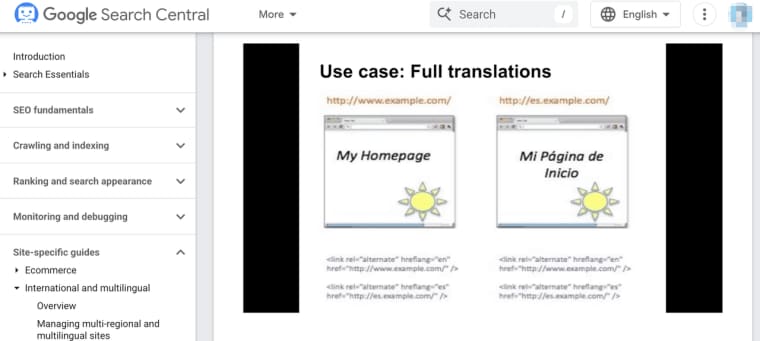
If the app serves multiple languages, do not simply duplicate pages and hope for the best. International AI app discoverability needs language-specific positioning, local examples, and technical care. For multilingual search, hreflang can help identify language and regional versions of a page, but it does not replace useful localized content.
Treat Discovery as a Product System
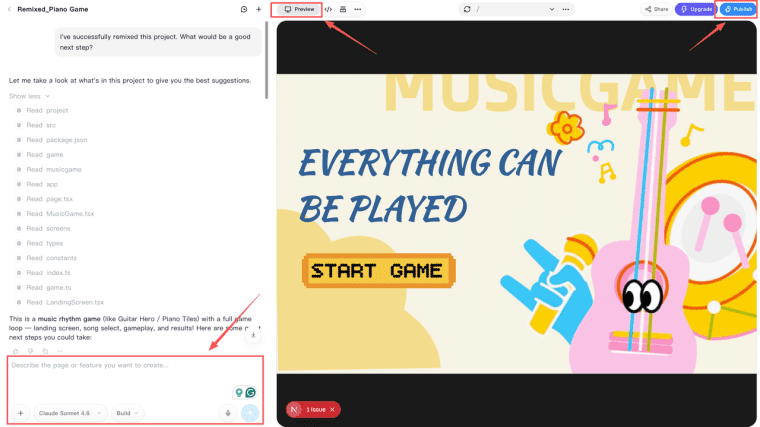
AI app SEO works best when it is treated like part of the product, not a chore after launch. Build pages that match real tasks, show evidence, measure the search terms that appear, and keep distribution alive while organic search matures. If a founder needs the prototype, public pages, payments, and learning loop in one launch path, HappySeeds can be considered as one way to connect app-building with the broader no-code AI app launch workflow and ongoing project iteration, preview, and publishing work.
Explore More Topics:
FAQ
When should founders hire specialist SEO help for an AI app?
Hire help when the app has a clear audience, public pages, and a real conversion path, but search structure, technical access, or content strategy is holding it back. If the product promise is still unclear, fix that first.
When should founders consolidate several app domains under one brand?
Consolidate when the apps serve the same audience, share trust signals, or need one stronger brand. Keep separate domains only when the products have different buyers, risks, positioning, or legal entities.
What changes when an AI app serves multiple languages?
Translation is not enough. Each language may need different search terms, examples, screenshots, trust copy, support expectations, and compliance notes. Measure each market separately.
How does an app-name trademark affect branded search planning?
Trademark questions affect naming, ads, comparison copy, and customer confusion risk. Founders should check availability, avoid misleading use of other brands, and get qualified advice before investing heavily in a name.
How can founders measure branded searches before meaningful traffic exists?
Use early Search Console impressions when available, direct customer questions, demo-call language, newsletter replies, community mentions, and manual search checks. Branded demand starts as scattered signals before it becomes a clean report.


