
Claude can get an app to its most misleading stage fast: the screen works, so everybody relaxes. Do not relax yet. A second account, expired session, or duplicate click can make a neat demo argue back.
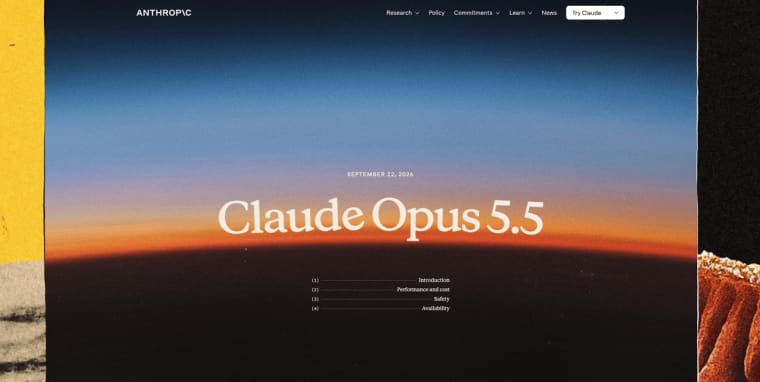
Claude Opus 5.5 launched on September 22, 2026 for long-running coding work. I would not treat launch examples as proof that it can ship your product. Turn its capabilities into questions you can test.
What Claude Opus 5.5 Can and Cannot Own in an App Project
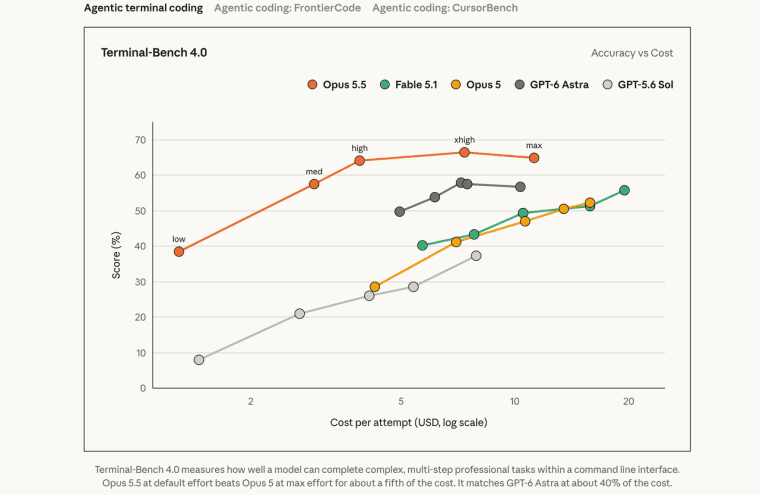
Claude Opus 5.5 coding can read a large repository, change multiple files, run tools, and trace failures. The API model claude-opus-5-5 has a 1M-token context window, 128K standard maximum output, and always-on adaptive thinking.
Useful? Absolutely. Product ownership? No.
The Opus 5.5 integration behavior has wrinkles. Forced tool selection can error, older thinking settings may break, and progress text can vanish without the right display setting. That sounds small until a waiting customer assumes the app has frozen.
Start with a Bounded Product Brief
User, Job, Core Workflow, and Success Criteria
Do not begin with "build my SaaS." Give Opus one job with an obvious finish line.
Take an agency portal. A client submits a design request, a manager proposes a scope, and the client accepts or rejects it. Success means the decision survives a refresh without an operator repairing the record.
Use this prompt as a starting point:
Build a Web app with client and manager roles. Clients can submit and view only their own requests. Managers can review requests and propose a scope. Validate inputs, persist records, enforce permissions server-side, show recoverable errors, add tests, and list your assumptions. Do not add live payments or production credentials.
That is AI app prototyping with edges. Edges are helpful.
Prototype One End-to-End Workflow
Interface, Data Path, and Failure States
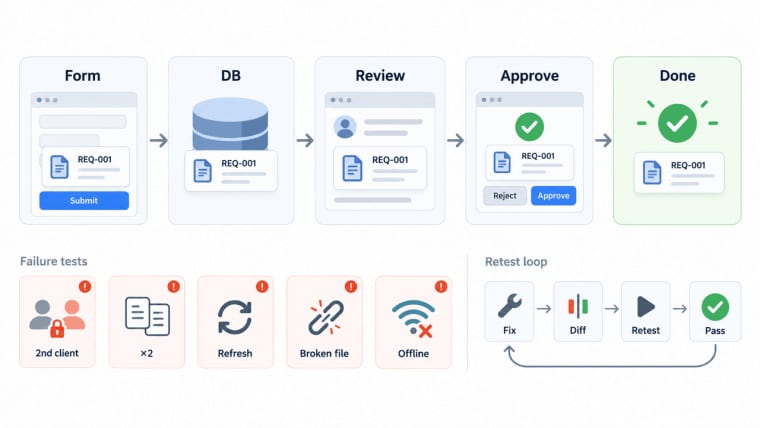
Follow one request through the form, database, review, decision, and confirmation. Then make it uncomfortable. Open it as a second client. Double-click submit. Refresh midway. Break the attachment URL. Drop the network.
This is where attractive prototypes often get caught. Hiding another client's record in the interface is not authorization if the server still returns it. Disabling a button is not duplicate protection if a retry writes the same request twice.
The Claude app workflow should stay boring here: fix one failure, inspect the diff, rerun the whole path. Boring is good when customer data is involved.
Add the Product Layers a Prototype Does Not Prove
Authentication, Permissions, Payments, and Support
The prototype to production shift begins when separate accounts behave differently for the right reasons. Test expired sessions, changed roles, canceled access, failed payments, and refunds in sandboxes. Then ask: who fixes a damaged record on Monday morning?
If nobody has that answer, the app is not ready.
Review the Code and Product Behavior
Tests, Security Checks, Accessibility, and Human Approval
Opus can draft tests. It should not grade them alone. Review server-side authorization, dependencies, secrets, validation, and logs. Use OWASP ASVS for security checks and the WCAG 2.2 reference for keyboard access, labels, focus, contrast, and errors.
Money movement, production access, public claims, and irreversible actions still need a named human approver. Not "the team." A person.
Prepare a Controlled Release
Ownership, Environment Configuration, Monitoring, and Rollback
Before anyone gets the link, name the repository owner, release owner, environment variables, backup path, monitoring channel, support contact, and rollback version. Your app launch checklist should record the model, effort setting, tools, prompt, commit, and test result too.
"Claude built it" will be useless during an incident. A commit and a rollback point will not.
Decide Where Opus 5.5 Should Stay in the Workflow
Keep Opus around for scoped implementation, debugging, test generation, and maintenance analysis. Keep credentials, acceptance, deployment approval, and customer promises with people. Models change. Clear ownership survives the change.
When HappySeeds May Be the More Direct Build Path
Sometimes the repository-and-agent setup becomes a second project. A nontechnical founder who needs to shape, preview, revise, and publish a Web app may prefer a guided route. HappySeeds documents a first-project flow covering edits, preview checks, and deployment.
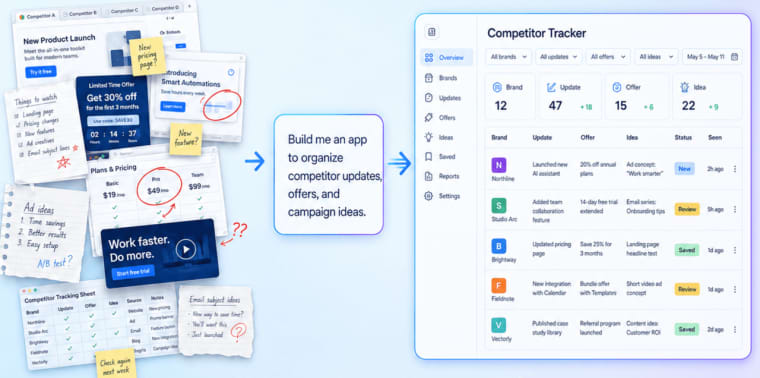
This is an alternative build path, not a native Opus 5.5 integration. Authentication, data, payments, permissions, and launch behavior still require project-specific configuration and testing.
Treat the Model as a Builder, Not the Product Owner
Opus 5.5 may do a serious amount of the building. It cannot decide whether the result deserves customers, or take the call when something breaks. Give it a narrow job. Make the awkward cases visible. Keep one human responsible for the release.
Explore More Topics:
FAQ
Can an Opus 5.5 coding session continue across supported tools?
Not automatically. Carry the brief, branch, commits, decisions, and unfinished work with you instead of trusting shared session history.
How are interrupted long-running Opus 5.5 tasks billed?
Stopped does not necessarily mean free. Check the usage record and billing rules for the platform that ran the task.
What project data can Anthropic retain from an Opus 5.5 session?
It depends on the product, plan, cloud, and negotiated settings. Check the applicable policy before adding sensitive material.
Which Opus 5.5 usage records can a team retain for a launch audit?
Keep what explains the release: prompts, settings, commits, diffs, approvals, tests, deployment records, and available usage exports.
What migration options exist if Opus 5.5 is retired?
Keep the model configuration in one place and maintain a small evaluation set. Test the replacement before the retirement date, not the night before.


