Last month I built a small interview-prep tool in Claude, published it, and sent the link to three friends before I'd finished my coffee. Felt great. Then I spent the next week wondering whether I should've built it on something else entirely. That whole spiral is basically what the Claude Artifacts vs AI app builder question comes down to — not "which one is better," but "which one am I actually trying to ship."
It's Elin. I've broken enough of my own projects to know that picking the wrong container early is expensive. So before you build anything, here's the honest version: what each one is, what Claude Artifacts can already do (more than people think), and the specific product decisions that should make the call for you.
Two Different Ways to Deliver an AI Experience
These aren't rivals fighting over the same job. They sit at different points in a product's life.
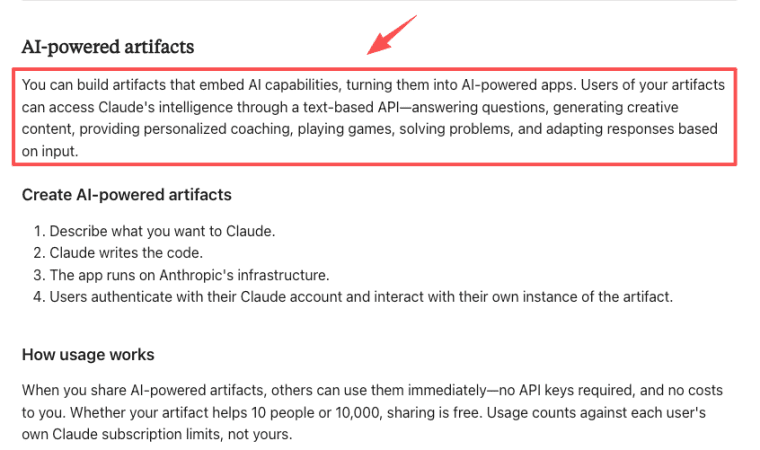
A Claude Artifact is a thing Claude builds inside the conversation and renders live next to the chat. You describe what you want, Claude writes the code, and it runs on Anthropic's infrastructure (many teams prefer running Codex inside VS Code for day-to-day coding — the official artifacts docs spell out that AI-powered ones even let users hit Claude's intelligence through a text API, no keys required. That's a genuine prompt to app moment. It's fast, it's hosted for you, and it's great for validating an idea while it's still cheap to change.
An AI app builder is the other end. You're describing an app, sure, but the output is meant to be operated — your domain, your billing, your data model, your ongoing launches. It's a standalone product you run, not an experience hosted inside someone else's chat.
So the real framing isn't winner-takes-all. Artifact = a fast validation surface that lives inside Claude. AI app builder = the stage where you take the thing independent. Most people who get burned picked one when they needed the other.
What Claude Artifacts Can Already Do
Quick reality check, because this is where I see the most outdated advice: artifacts are not "just mockups with no data." That stopped being true a while ago.
Here's what I've actually confirmed as of June 2026:
- Publishing. On Free, Pro, and Max plans you can publish an artifact to a public link, and anyone with that link can open and use it — no Claude account needed.
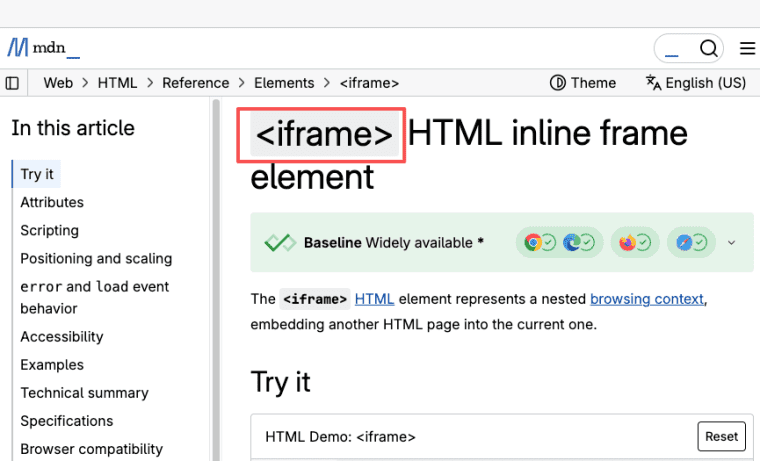
- Embedding. After publishing, there's a "Get embed code" button that generates an iframe snippet. You set allowed domains and drop it into your site. (If you've ever fought with iframe attributes, this is the cleaner version of that.)
- AI capability. Artifacts can call Claude directly, so the interface itself can answer, generate, and adapt — not just display static content.
- MCP connections. Artifacts can reach external tools through MCP. One catch worth knowing: each user authenticates those connections independently, even on a shared artifact.
- Persistent storage. This is the big one people miss — published artifacts get up to 20MB of persistent storage per artifact, text only, on Pro/Max/Team/Enterprise. That's enough to make journals, trackers, and small stateful tools that remember things between sessions.
Two things worth flagging before you build around storage: Free plan users can publish artifacts but don't get persistent storage — that's Pro and above only. And persistent storage only activates on published artifacts. During development and testing, storage operations silently fail with no error message — your data appears to save, but it doesn't. Publish first, then test storage. I'd have liked to know that before I spent an afternoon debugging what turned out to be a "not published yet" problem.
I pulled all of that from Anthropic's own help center rather than guessing, because these limits move and I didn't want to hand you a stale number. If you're building a calculator, a quiz, an internal tool, or an interactive teaching thing — an artifact can genuinely be the whole product, not a placeholder for one.
Compare the Product Decisions That Matter
Okay, this is the part that actually decides it. Not features in the abstract — the specific tradeoffs.
Audience access and user identity
With a published artifact, visitors can use it without an account, which is lovely for reach. But if you want your own logged-in users — accounts you own, profiles, roles, a relationship with the person — that's not really the artifact's model. Two more things I checked and that surprised me: artifacts created on Team or Enterprise accounts can't be published publicly, they only share inside the org. And the storage is per-artifact, not a real multi-tenant user system.
An AI app builder is built around the opposite assumption: these are your users, in your database, with auth you control. If user identity is core to the thing — not a nice-to-have — that pushes you toward the builder.
Data, integrations, and operational control
Artifact storage is text-only and capped, and it's scoped to the artifact. Fine for a tracker. Tight for anything with relational data, large files, or serious integrations. MCP extends reach, but you're working inside the boundaries of the hosted environment.
A no-code AI app builder typically hands you a real backend, a database you can model, and broader third-party connections. The tradeoff — and I mean this as a real tradeoff, not a dunk — is that you now own the operational headaches too: data structure, retention, the stuff that breaks at 11pm. I've rolled back enough late-night deploys to respect how much the hosted-for-you simplicity is worth when you're just testing an idea.
Monetization, branding, discovery, and ownership
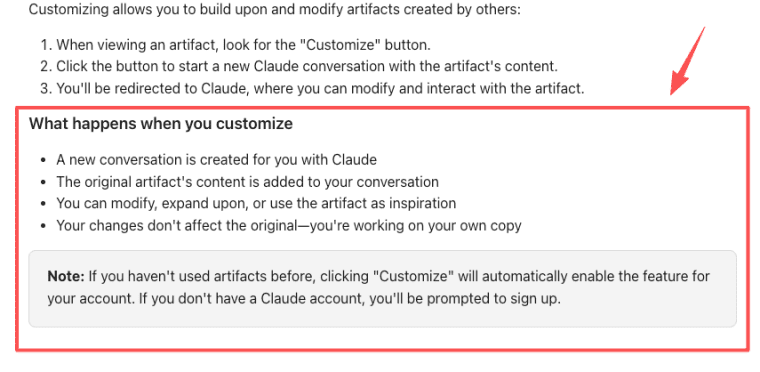
Here's the cleanest dividing line. The billing model on AI-powered artifacts is built so usage counts against each user's own Claude subscription, not yours — share it with 10 or 10,000 people, your cost doesn't balloon. Clever. But that's compute billing, not you charging customers. There's no native "take payment from your users" layer, and per the publish-and-share docs, you can't point a custom domain at an artifact either.
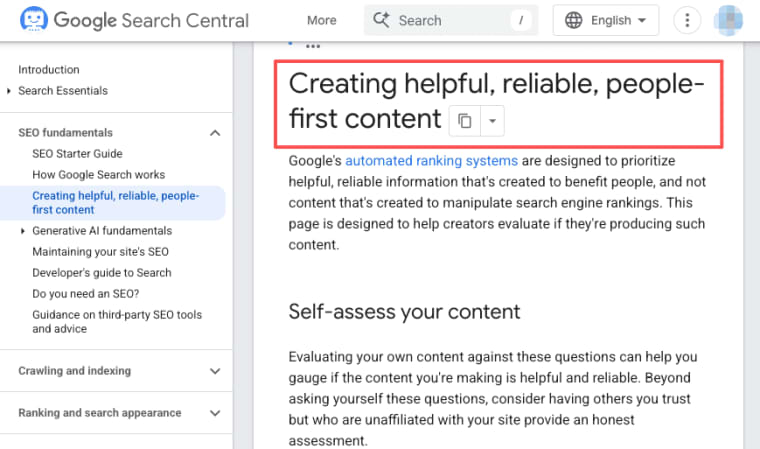
AI app builders are usually the inverse: payment rails (most wire up something like Stripe for one-time or subscription charges), custom domains, and SEO controls so the thing can actually be found. On discovery specifically — Google's own helpful-content guidance rewards real, operated pages, and an artifact URL isn't built to compete there the way a standalone site is.
One honest flag on the builder side: a lot of them run on credit-based pricing, and credit burn is the single most common complaint I see. I haven't run a full multi-month cost test across builders myself, so I won't pretend to rank them — but if you go this route, read the platform's own pricing page carefully before you commit. Costs get unpredictable fast once you're past a simple prototype.
When a Claude Artifact May Be Enough
Genuinely — sometimes it's the right answer and rebuilding would be a waste.
Reach for an artifact when you're making a calculator, a decision tool, a teaching demo, an internal team utility, or an interactive piece for a blog or course. It's also the better call when the thing lives embedded inside content you already have, or when you just need to validate "does anyone want this" before investing a single dollar more. If your tool has no real need for owned accounts, payments, or a brand-controlled URL, the artifact isn't a downgrade. It's the right-sized container.
I've shipped artifacts I never intended to "graduate." They work, people use them, I leave them alone. That's a complete sentence.
When an AI App Builder Fits the Next Stage
The moment the answer changes is when the product needs to be operated, not just used.
Go with an AI app builder when you need structured product planning, your own user journey, payments, a custom domain, SEO, real analytics, and the expectation that you'll keep re-launching and iterating in public. Founders who are past validation — who know people want it and now need to run it as a business — outgrow the chat surface. Not because artifacts failed, but because a standalone, no-code AI app gives you the controls a real product demands: identity, billing, discovery, and a brand that's unmistakably yours.
The signal I watch for in my own projects: am I fighting the container? If I keep wishing the artifact could do "just one more thing" that's really a core requirement, that's the cue to build the AI app properly somewhere designed for it.
A Decision Checklist for Non-Technical Founders
Run your idea through these. Honestly. The point isn't to pick a side — it's to notice what your project actually needs before you build an AI app you'll regret.
- Audience: Anonymous visitors, or owned logged-in users? Owned users → builder.
- Revenue model: Free/internal/lead-gen → artifact may do it. Charging customers directly → builder.
- Data needs: A bit of text state under the cap → artifact. Relational data, files, heavy integrations → builder.
- Brand control: Living embedded or at a claude.ai link is fine → artifact. Need your own domain and SEO → builder.
- Maintenance ownership: Want it hosted-for-you with minimal ops → artifact. Willing to own the operational side → builder.
- Expected lifespan: A validation experiment or a tool you'll leave running → artifact. A product you'll grow for years → builder.
If you checked "builder" on three or more — especially identity, payments, or lifespan — that's your answer.
So Which One Goes On Your Laptop Tonight?
Stop arguing Claude Artifacts vs AI app builder as a fight to win. Ask what stage you're at. If you're testing whether anyone cares, build the artifact — it's faster and it's cheap to be wrong. If people already care and you need to run it as a business, build the AI app where you control identity, payments, and your own front door. Pick the container for the job in front of you, ship the rough version, and let what breaks tell you what to build next.
Plan details, storage caps, and platform limits were checked against official documentation as of June 2026. These change — verify the latest on the relevant official pages before you make a production decision.
Explore More Topics:
- Vercel + Supabase for AI Apps: What Founders Still Need to Plan
- Vercel Drop vs AI App Builders: Where Deployment Stops and Product Begins
- Codex vs AI App Builder: Code Generation vs Product Creation
- From Codex to Revenue: What Happens After the Code Works
- Build an iOS AI App: What Changes After the Prototype
FAQ
At what point do regular users make an artifact harder to maintain?
Not at "too many people" — sharing scales fine and the compute bills to each user. It's when their expectations outgrow the storage model. Once people want persistent accounts, files beyond the text cap, or data that relates across users, you're patching around a per-artifact store that wasn't built for it. That friction, not traffic, is the maintenance wall.
What are the main challenges when migrating from an artifact to a standalone app?
Export your stored data before you unpublish — unpublishing permanently deletes all associated storage and you can't republish that same artifact afterward. Also map which data was personal-scoped versus shared-scoped, because they'll need to land in different places in a real backend. Don't dual-run two live versions collecting data at once; pick a cutover point.
How can teams protect user data during a platform switch?
Pull and back up the artifact's stored data before you touch the publish state, since unpublishing wipes it. Map which data was personal versus shared storage. And don't dual-run two live copies collecting real user data at once — pick a cutover point so you're not reconciling two sources of truth later.
When is keeping an embedded artifact simpler than rebuilding as an app?
When the surrounding site already handles your identity, SEO, and brand — and the artifact just needs to do one job inside that context. A calculator embedded in a blog post, a quiz inside a course. The moment the artifact becomes the front door rather than a feature inside something you operate, it's time to reconsider.