I'm Elin. I almost scrolled past the Minerva AI launch. Another funded startup, another big number — I see ten of those a week. Then I actually read what they built, and it reframed something I'd been chewing on for months about where AI apps are heading.
Short version, because I know you're busy: Minerva AI is an enterprise marketing platform, not something you or I would build. But what it proves — that narrow, agent-driven products beat flashy general demos — is the most useful signal a small builder can steal right now. This post is about that signal, what's real versus marketing, and what a non-technical founder can actually do with it.
What Minerva AI launched, in plain terms
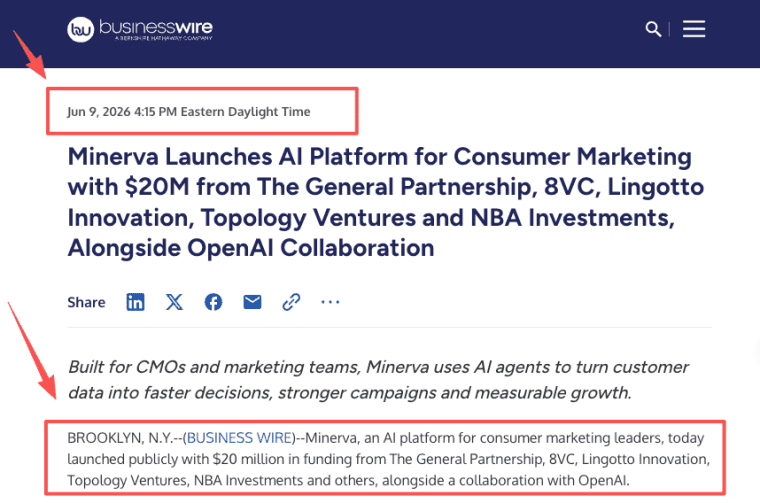
I pulled up the actual announcement before writing this, because I didn't want to just paraphrase a press cycle. Minerva launched publicly on June 9, 2026 with $20 million in funding and a collaboration with OpenAI. Document RAG can follow R2R with Codex. The Minerva OpenAI partnership produced two agents built on frontier models like GPT-5.5: an Agentic Data Engineer that cleans and unifies a brand's messy first-party data, and an Agentic Data Scientist that lets a marketer ask, in plain English, "find users likely to book in the next 30 days," and get a working predictive model back.
Translated: it's plumbing for big consumer brands drowning in their own customer data.
Minerva says early customers saw things like 3.4x paid media ROAS and 2.5x lead-rate lifts. Those are Minerva's own numbers from its launch materials, not independently verified. For context, a May 2026 industry survey found that marketers expected real-time signal optimisation to deliver ROAS gains in the 16–30% range — a far more modest figure than Minerva's claim, suggesting the number will face scrutiny as more deployments accumulate. Worth checking against their latest published material if you're reading this later.
Why this signals a shift from AI demos to vertical products
For two years, most AI launches I saw were demos. A clever chat box. A "do anything" assistant. A wrapper that looked like magic for ninety seconds and then fell apart the moment you asked it something specific. Minerva is part of a different wave. It doesn't try to do everything. It does one industry's grunt work, from start to finish.
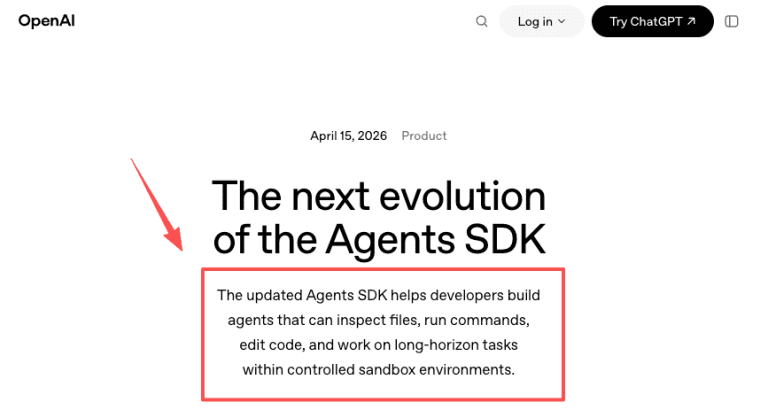
That's the real story for builders. The money and attention are moving toward the vertical AI app — software that goes deep on a single domain instead of wide across all of them. OpenAI's own push into agents that act, not just answer, is feeding this, and the vendors getting funded right now are the ones wrapping that capability around one specific, painful workflow.
Agentic workflows aimed at one industry, not everything
The phrase to watch is agentic workflow — not "AI feature," but a chain of steps the software runs on its own toward a goal you set. Minerva's version: point it at your data, name the objective, and let the agents prep, model, activate, and report without you babysitting each step.
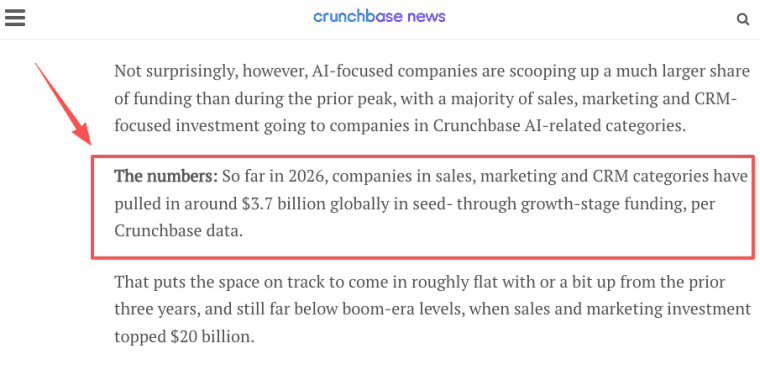
This isn't a one-off bet, either. Industry funding data reported in mid-2026 showed sales, marketing, and CRM startups raised roughly $3.7 billion globally early in the year, with agentic players grabbing an outsized slice. When that much capital crowds into one shape of product, it usually means the shape works — at least well enough to fund.
What non-technical founders can learn from it
Okay, so a Brooklyn startup raised $20M to rebuild marketing data pipelines. Why should you, building tiny things at night, care?
Because the lesson scales down a lot better than the product does. Minerva didn't win by being broad. It won by picking one audience that bleeds money on a specific problem and pointing AI straight at it. You can do the same thing at a fraction of the size.
Going narrow: a focused agent app beats a broad one
Every time I've tried to build something "flexible enough for everyone," it ended up useful to nobody. The narrow version always shipped faster and got used more. I have a graveyard of over-general projects to prove it.
So if Minerva is a marketing platform for enterprise CMOs, your version might be a marketing agent app for, say, indie Shopify stores in one niche — something that does one job: drafting and scheduling restock emails, or flagging which products to discount this week. Paul Graham's old advice to do things that don't scale applies doubly here. Start absurdly specific, do the unglamorous manual work yourself at first, and let the focus be your moat. A funded startup can't be bothered chasing your tiny niche. You can own it.
What you'd still need to launch and charge for it
A working agent is not a business, though — I learned that the embarrassing way, twice. To actually charge for it you still need the boring scaffolding: a way for users to sign in, somewhere to store their data, a payment flow, a domain, and enough reliability that it doesn't fall over the first time a real person touches it.
The good news is this layer has gotten dramatically cheaper to assemble than when I started breaking production apps. AI app builders and no-code tools handle most of it now. The hard part isn't the tech anymore — it's picking a problem narrow enough, and charging money for it before it feels ready. (It will never feel ready. Ship anyway.)
Where Minerva's enterprise scope is not your starting point
One honest caveat, because I don't want you walking away with the wrong lesson.
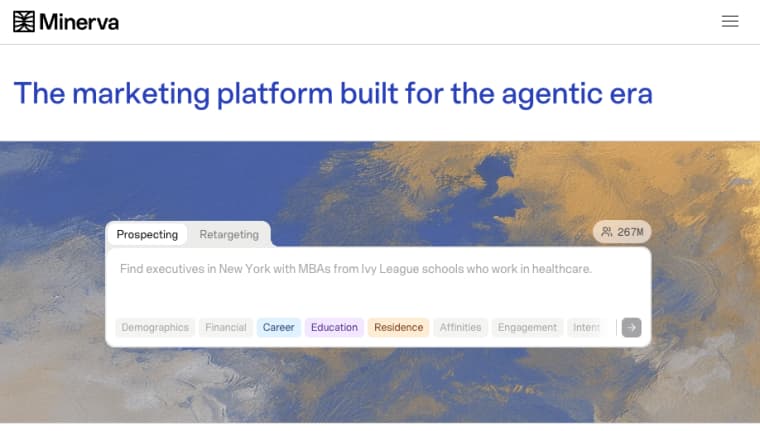
Minerva's actual engine is enterprise-grade and data-heavy. Its platform leans on a proprietary identity graph with 1,000+ attributes and a stack of compliance machinery (CCPA, independent audits, the works). That is not your starting point. You can't — and shouldn't try to — recreate a consumer-data platform of that scope as a solo builder.
Copy the strategy, not the scale. The transferable part is "narrow vertical plus an agent doing real work." The non-transferable part is "massive regulated first-party dataset." Mix those two up and you'll either burn months building infrastructure you don't need, or wander into data compliance you're nowhere near ready for.
So what's the move?
Here's where I landed. Minerva AI isn't a tool for people like us — it's a signal. It says the next wave of AI apps won't win by doing everything; they'll win by going narrow and actually doing the work inside one domain. You don't need $20 million or an OpenAI deal to act on that read.
You need one painful problem, one specific person who has it, and the nerve to ship something rough. Pick the niche. Build the ugly first version. Charge for it before you feel ready. That's the whole thing.
Minerva's launch facts, funding, and product details were checked against its official site and launch announcement as of June 2026. Performance figures cited are Minerva's own self-reported claims and are not independently verified — confirm the latest details on the company's official pages before relying on them.
Explore more topics:
FAQ
Do small founders need enterprise-level data to build something similar to Minerva?
No. Your starting point is the data your own users generate by using your tool — form inputs, usage patterns, outputs they save. That's enough to build something genuinely useful. Don't go buying or scraping consumer data to close the gap; that's where compliance risk starts. One person's actual workflow data beats a large, borrowed dataset every time at this stage.
How narrow should a vertical agent app be?
Try this test: describe your app to someone unfamiliar with it in one sentence, no "and also." If you need a second clause, it's too broad. Another check: can you name five specific people — by job title and company type — who would pay for it today? If you can't, narrow further. Specificity is what lets a solo builder own a corner a funded startup won't bother with.
Is it worth building a vertical app if a funded startup like Minerva exists?
Usually yes. Funded startups need large markets to justify their raise — Minerva is targeting enterprise CMOs at big consumer brands. That leaves smaller, stranger niches completely uncontested. Their raise validates the category without competing for your corner. The question to ask: what's the smallest version of this problem that a real person has right now, that Minerva would never bother building for?
Can I build a focused agent app without an AI team?
Yes — but the part most people underestimate isn't the model, it's the workflow design. Getting the sequence of steps right, handling edge cases, and deciding what the agent does when something goes wrong takes more iteration than the API integration itself. Verify capabilities, limits, and terms on each provider's official documentation before building a business on top of them.