Elin here. I broke a production app the same week Anthropic shipped a new model. Bad timing, or good timing — depends how you squint at it. Claude Fable 5 landed on June 9, 2026, billed as the most capable model the company has ever put in front of the general public, and I'd been waiting to see whether that phrase meant anything for people like me who build small things and occasionally charge for them.
So I did the boring thing. I read the docs instead of the launch tweets. Here's what Claude Fable 5 actually is, what changes for anyone wiring it into a real product, and the parts I'd check twice before you let it touch a paying user.
What Claude Fable 5 Is
Short version: it's a "Mythos-class" model — the tier Anthropic puts above Opus — but tuned so it's safe to hand to everyone, not just a handful of vetted labs. You can extend the pipeline via Codex with Browserbase.
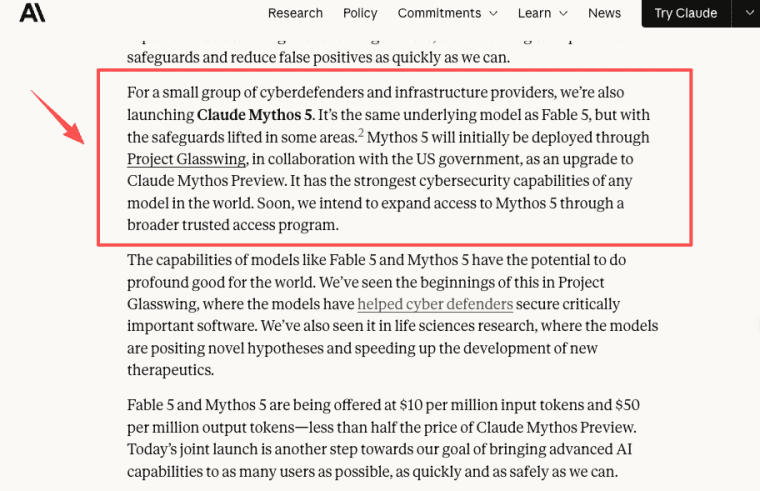
There are two siblings here, and the difference matters. According to Anthropic's launch announcement, Claude Mythos 5 is the raw, unrestricted version, available only to approved partners through a program called Project Glasswing. Claude Fable 5 is the same underlying model with safety classifiers bolted on so it can go wide. Same brains, different leash. If you've been reading about claude mythos and wondering why you can't access it — that's why. You get Fable.
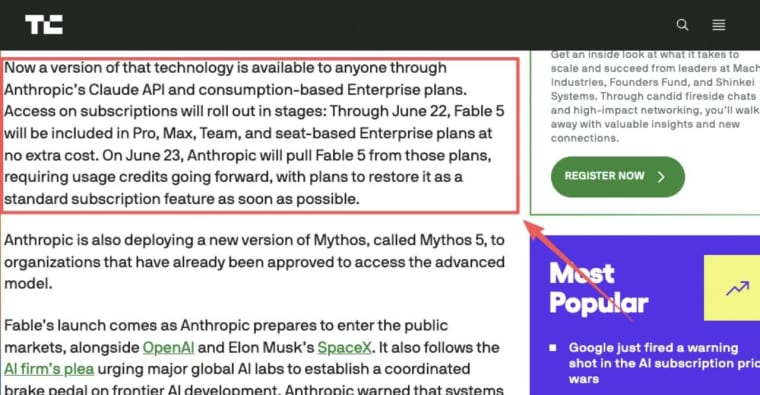
The rollout was staggered, which tripped up a few people I follow. As TechCrunch reported at launch, Fable 5 was bundled into Pro, Max, Team, and seat-based Enterprise plans at no extra cost through June 22, then moves to usage credits after that, with a plan to restore it as a standard feature later. So if it suddenly vanishes from your plan one day, you're not imagining it. Check the current terms before you build a workflow that assumes it's always there.
Why Fable 5 Matters for AI App Builders
Here's the honest answer: for most of us, the model was never the hard part. Wiring it up, paying for it, and not getting surprised by behavior changes — that's the hard part. So what actually moves for builders?
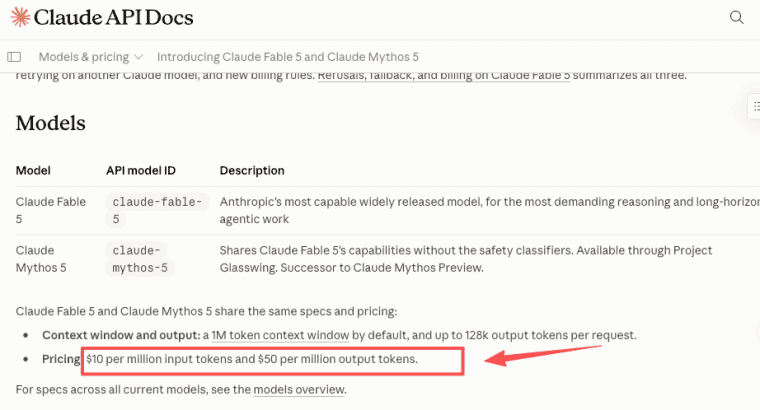
The pricing is real money. Per the official Claude API documentation, Fable 5 runs $10 per million input tokens and $50 per million output tokens — double Opus 4.8's $5/$25. That's not a "throw it at every request" price. But there's a cost multiplier most people miss: Fable 5 uses the tokenizer introduced with Opus 4.7, which produces roughly 30% more tokens from the same text compared to models before Opus 4.7. So if you're migrating from Opus 4.6 or earlier and doing rough cost math, your actual bill may be meaningfully higher than "2× Opus 4.8" suggests. Anthropic recommends running the token counting API with model: "claude-fable-5" to re-measure your prompts before committing to a budget.
The thing I'd actually flag: the longer and messier the task, the bigger Fable's lead gets over the older models. Anthropic says this directly, and it tracks with the kind of work where you'd notice — multi-step agents, big refactors, anything that has to hold a lot in its head at once. I haven't run a formal head-to-head myself, so take the "how much better" as their claim, not my measurement.
Fable 5 vs Opus 4.8: The Builder's Quick Reference
| Claude Fable 5 | Claude Opus 4.8 | |
| API model ID | claude-fable-5 | claude-opus-4-8 |
| Input price | $10 / 1M tokens | $5 / 1M tokens |
| Output price | $50 / 1M tokens | $25 / 1M tokens |
| Context window | 1M tokens | 200K tokens |
| Max output tokens | 128K | 32K |
| Adaptive thinking | Always on (not disableable) | Toggleable |
| Safety classifiers | Yes — refusals on cyber / bio | No hard classifiers |
| Refusal response | HTTP 200, stop_reason: "refusal" | N/A |
| Data retention | 30 days (no ZDR option) | ZDR available |
| Best for | Long-horizon, agentic, complex tasks | Broad use, cost-sensitive workloads |
Pricing and specs as of June 9, 2026. Always confirm on Anthropic's official pricing page before budgeting.
Long context, coding, vision, memory, and agents
This is the part that made me reopen a project I'd shelved. Fable 5 ships with a 1M-token context window by default and up to 128k output tokens per request. That's a lot of room to dump a whole codebase or a stack of reference docs and let it reason across the whole thing.
A few capabilities I'd actually use:
- Coding and agents. If you've been doing the claude code fable thing — long agentic coding runs where the model plans, edits, and self-corrects across many steps — this is the tier built for it. It supports code execution, programmatic tool calling, and task budgets (still in beta) to cap how much effort it spends.
- Memory. There's a memory tool, so an agent can carry state across a session instead of you re-stuffing context every turn.
- Vision. It reads images, which matters if your app takes screenshots, PDFs, or photos as input.
One quirk worth knowing: thinking is always on. You can't disable it the way you could toggle reasoning on older models. You steer the depth with an effort parameter instead, and the raw chain of thought never comes back to you — you get either a summary or nothing, depending on a setting. I didn't love discovering that mid-build, so I'm flagging it early for you.
What the New Safeguards Mean for Products
This is the section I'd attach a sticky note to, because it's the part that can quietly break a live app.
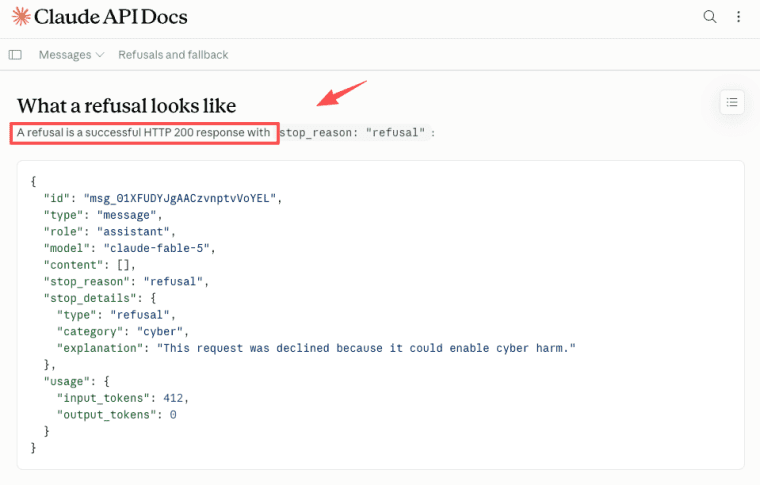
Fable 5 is the first time Anthropic has put this level of capability in public, and the way they made that safe is by having it refuse in certain areas and hand off to Opus 4.8. The classifier-covered areas are cybersecurity and biology; the API returns specific category identifiers — "cyber," "bio," or "reasoning_extraction" — in the stop_details object when a request is declined. Anthropic has also said the safeguards are deliberately tuned cautious, so sometimes a totally benign request gets caught too.
Refusals, fallback, and sensitive categories
Here's the practical bit, straight from the refusals and fallback docs. When Fable 5 declines, it does not throw an error. It returns a successful HTTP 200 with stop_reason: "refusal", and tells you which classifier fired. If your code only checks for errors, a refusal will sail straight through as a "success" with no usable content — and your UI shows the user a blank. I'd test this path on purpose before launch.
For retries, there are three routes: a server-side fallbacks parameter (in beta), client-side SDK middleware, or building your own retry. On billing, you're not charged for a request that's refused before any output is generated, and "fallback credit" refunds the prompt-cache cost when you retry on another model.
One caveat on all of this: classifier behavior and which topics fall back are exactly the kind of thing that gets tuned over time. Treat the specifics here as accurate when I wrote them, and check the official docs for the current behavior before you rely on it in production.
What Still Makes an AI App a Product
I want to push back gently on the launch-day energy, because I've made this mistake myself. A better model does not give you a product. It gives you a better engine. The car still needs everything else.
Every time I've shipped something people actually paid for, the model was maybe 20% of the work. The rest was the unglamorous scaffolding — and that's true whether you're calling the API raw or using an AI app builder to skip the plumbing.
Data, login, payments, domain, SEO, and feedback
The stuff that turns a clever demo into a thing someone trusts:
- Real data that persists, not a prompt that forgets everything between sessions.
- Login so people have an account worth coming back to.
- Payments — the single hardest thing to fake your way through, and the thing that decides whether you have a business or a toy.
- A custom domain, because nobody pays a URL that looks like a preview link.
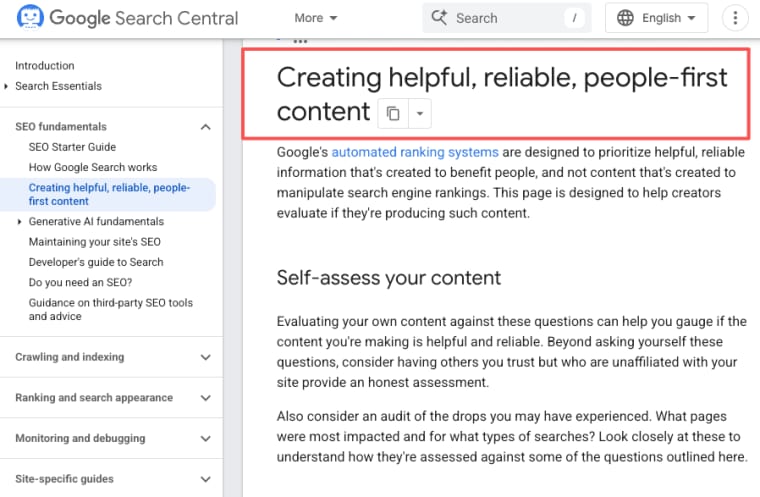
- SEO, because a product nobody can find is a journal entry. This is also where I'll point you at Google's own guidance on helpful content — search increasingly rewards stuff with real experience behind it, which, ironically, is the one thing a model can't generate for you.
- A feedback loop so you find out what's broken before your users quietly leave.
Fable 5 makes the intelligent core meaningfully better. It does not make the payment flow, the onboarding, or the retention. That part's still yours.
That's where I landed. Claude Fable 5 is a genuinely strong model with a real catch — the refusals, the price, and the tokenizer change are things you design around, not things you ignore. If you build with it, go read the official docs yourself before you ship; mine's a starting point, not a substitute. And then go break something.
Accurate as of June 2026. Pricing, availability, and safeguard behavior change — confirm against Anthropic's official documentation before relying on any specific detail.
Explore More Topics:
FAQ
What is Claude Fable 5?
Claude Fable 5 is Anthropic’s first widely available Mythos-class model, released on June 9, 2026. It offers significantly stronger long-context reasoning, agentic capabilities, and vision handling than previous Opus models, while incorporating safety classifiers that can refuse high-risk requests (especially in cybersecurity and biology). The unrestricted sibling model, Claude Mythos 5, remains available only to approved partners through Project Glasswing.
How can builders use Fable 5 in AI apps?
Call it through the Claude API (or AWS Bedrock, Vertex AI, and Microsoft Foundry) for the hard, long-horizon tasks — agentic coding, big-context reasoning, vision. The API ID is claude-fable-5. Pair it with a cheaper model for routine calls so the cost stays sane.
What should founders verify before using Fable 5 in production?
Three things: current pricing and plan availability (the subscription rollout is staged), the refusal-handling path in your code, and the data retention rules. Fable 5 carries 30-day data retention and isn't offered under zero data retention, so if your use case has strict data rules, confirm that against the official documentation before you commit.
Can Fable 5 safeguards affect app behavior?
Yes — and this is the one that bites people. The classifiers can refuse requests, including occasional benign ones, and refusals come back as a 200 response, not an error. If your app doesn't handle that case, users see a blank. Because the safeguards get tuned over time, treat the exact triggers as a moving target and check the latest official docs.