A two-star survey response is not yet a task. Someone has to read the comment, check what happened, and tell the customer what comes next. A customer survey follow-up workflow makes those handoffs visible.
In this fictional example, a phone-repair shop asks for a satisfaction rating after pickup. A customer gives the repair 2 out of 5 and writes, "The screen still flickers." The goal is to get that sentence to someone who can help.
Decide Which Survey Responses Need a Human Follow-Up
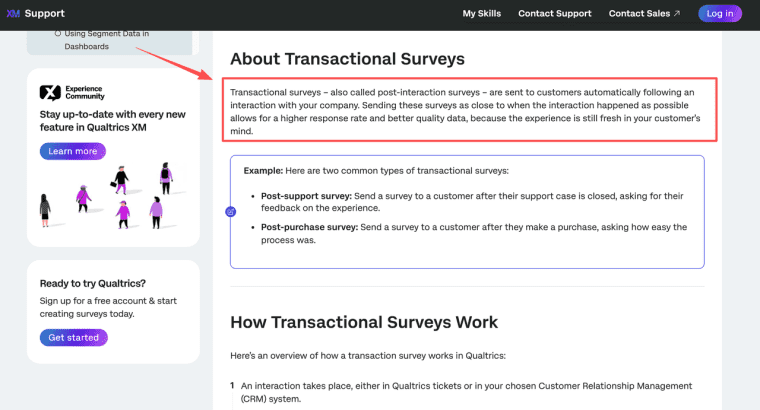
Start with one touchpoint, such as a survey sent after a completed repair. This is a transactional CSAT question about that service encounter, not a general referendum on the business. Qualtrics' transactional survey guidance treats post-support feedback as tied to the interaction, with a score, context questions, and optional free text.
Write a usable triage rule. A low rating, an unresolved fault, or a direct request for help enters the human queue. A high rating with "my invoice is wrong" also enters it. A low rating without explanation gets a question if the customer agreed to contact; the score alone does not reveal the problem.
Keep praise and broad suggestions in a review pile, not the case queue. The queue is for a specific issue with a possible next action.
Give Each Actionable Response an Owner
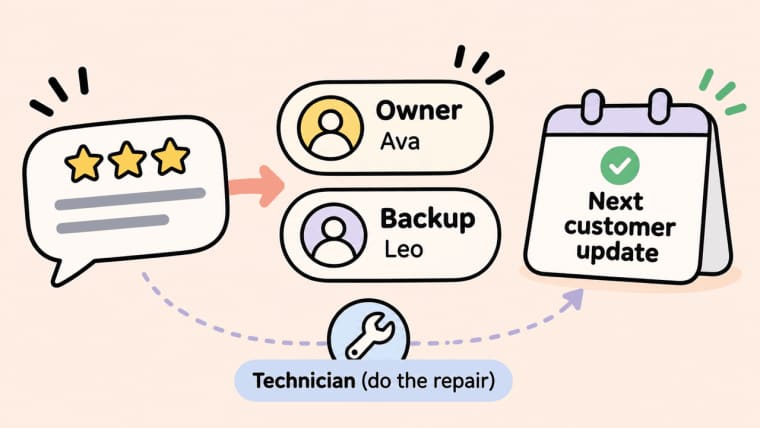
Choose one survey response owner, plus a backup for absences. The owner is accountable for the next customer update even when a technician performs the repair. "Support team" is not a person, and a shared inbox is not an assignment.
The front-desk lead owns the flickering-screen case; the technician owns the diagnosis. The lead checks the repair ticket, arranges inspection, and returns to the customer. If absent, the shop manager takes over with the same history. XM Institute's closed-loop guidance likewise starts with specific triggers and responsible people.
Keep the Score, Comment, and Customer Record Together
Give the response an ID. Keep the original rating, comment, question, submission time, contact preference, owner, next action, and last update together. For an identifiable response, link to the repair order rather than copying customer details into the queue.
Ask whether the survey clearly told respondents how their details might be used for follow-up. Limit access to people who need the case, set a retention rule, and avoid collecting more personal detail than the task needs. The FTC's business guide on personal information connects limited collection, restricted employee access, and a written retention policy. Specific consent and privacy obligations depend on where the shop and customer are located; this is general information, not legal advice.
Set a Status That Shows the Next Action
A feedback resolution status should tell the owner what to do, not merely report a mood. For this shop, five states are enough:
| Status | What does it means | Next person and action |
| New | Actionable response received | Front-desk lead checks the repair record |
| Assigned | A named owner accepted the case | Owner contacts the customer or arranges inspection |
| Waiting | The next step depends on a customer reply or a technician's finding | Owner checks back on the agreed date |
| Ready to update | The shop has a finding or decision | Owner tells the customer what happened and what remains |
| Closed | Outcome and customer update, or reason no update was possible, are recorded | Manager reviews only if new information arrives |
Put a next-action date beside each open state. Otherwise, "Waiting" becomes a hiding place. A CSAT action queue can be a view of open cases grouped by owner and date. Each owner checks due dates daily; a missed promised update goes to the backup. The manager reviews unassigned and overdue items weekly.
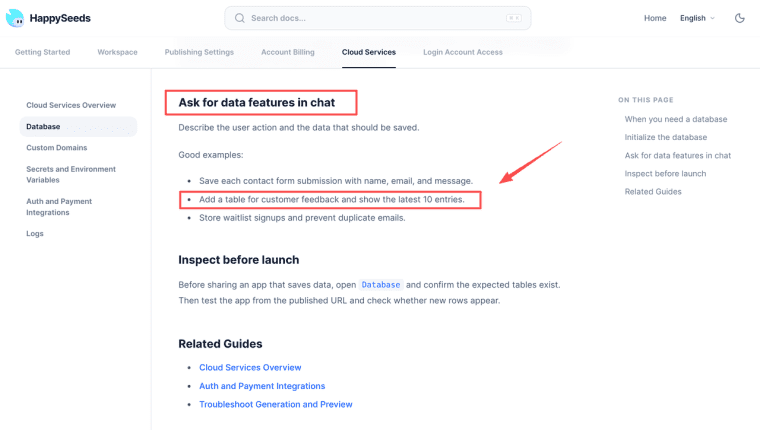
If a spreadsheet becomes unwieldy, a Web app can hold the queue. HappySeeds' database guide documents asking in chat for customer-feedback records, submitting a test entry through the published app, and checking the new row in Database view. That guide does not establish automatic assignment, notifications, or employee-level access rules. Set up or test those parts separately, using fictional responses until the owner handoff and staff views work. Its privacy policy leaves end-user notice, access, and retention decisions with the app creator. Start with one usable case view, not twelve charts.
Respond Without Treating Every Rating as the Same Problem
Customer feedback follow-up starts with the repair record, not a canned reply. The customer should not have to repeat the flickering-screen story because the owner only saw a number. A first reply might say: "I saw your note that the screen still flickers after pickup. I am checking the repair record today and will update you tomorrow about an inspection." Only give that timing if the shop can meet it.
Then respond to what the owner learns. An incomplete repair needs a remedy; an unclear cause needs a precise question or inspection. A billing complaint belongs with someone who can check the invoice. Zendesk's complaint-response guidance emphasizes the specific history; a generic apology can cause the problem.
A middling score may warrant clarification. A positive score with an actionable comment still deserves attention. Sending a message is not the same as completing a fix.
Close the Loop and Review Unresolved Cases
Separate three events: the shop took action, the customer was updated, and the case was closed. They may happen on different days. For the fictional phone, record the technician's finding, the remedy offered, and the date the owner told the customer. If contact was not permitted or no address was supplied, record that reason rather than marking "customer informed."
Close the case when the underlying issue is resolved and its outcome communicated, or document why no further action is possible. Do not close it merely because an update was sent while the repair remains open. The customer need not change the rating or declare satisfaction.
Weekly, the manager checks the oldest open response, cases without a next date, and misses update promises. Repeated faults may call for a service-process change, not another individual reply.
Limits of Survey Scores as Evidence
A repair CSAT score reflects one reported encounter; it does not diagnose the phone or predict whether that customer will leave. People who answer may differ from those who stay silent. A satisfied customer can still report a real fault. The comment, service history, and direct conversation matter more to the owner than a threshold alone.
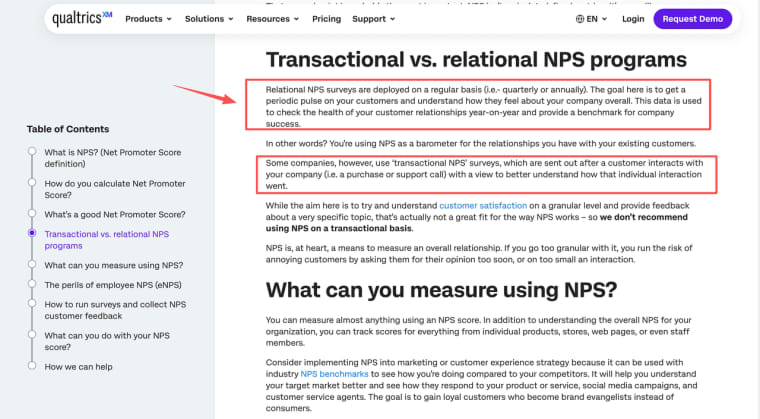
Do not mix this post-repair score with NPS. Qualtrics' NPS guide describes relational NPS as a periodic read on the overall relationship, while transactional feedback is about a specific interaction. Store the survey type and question with the response so a future team member does not compare unlike scores.
Survey comments can also contain unexpected personal details about customers or staff. Limit who reads free text, decide when an old case should be deleted or de-identified, and follow the applicable notice and records rules. A workflow makes follow-up accountable; it does not turn a rating into proof of retention gains.
Start with one case, let the queue show what's missing
The first version of a customer survey follow-up workflow does not need elaborate automation. Give the flickering-screen response an owner, a next-action date, and a place to record what the customer was told. Then look at the open queue next week. The cases still sitting there will show you what the workflow needs next.
Explore More Topics:
FAQ
What if a respondent did not leave contact details?
Keep the response in the internal review pile. Check whether it points to a repair pattern, but do not guess the respondent's identity from timestamps or other clues. Note that no outreach is possible without turning the anonymous comment into an assigned customer case.
When should a closed feedback case be reopened?
Reopen when the promised remedy fails, the customer provides material new information, or the recorded outcome was wrong. Keep the first closure date and add the reason for reopening; otherwise the shop cannot tell a repeat fault from a fresh one.
How should duplicate responses from one customer be handled?
Preserve each submission's timestamp and wording. Link responses about the same repair to one active case so the customer does not receive two conflicting replies. Create a separate case if the second response raises a genuinely different issue.
Can a respondent correct a rating after submission?
Offer a correction route, but do not silently overwrite the original answer. Record the revised score, who requested the change, and when it took effect. Apply the business's privacy and records policy to how long both versions remain available.
Who should see a customer's free-text feedback?
The case owner needs the full comment; a technician may need only the part about the fault. Managers reviewing patterns can often work from a summary with names removed. Decide access by the task, and take extra care if a comment identifies another person.